Official language: Swedish
Capital: Stockholm
Currency: Swedish krona
Population as % of total EU: 1.9
Joined EU: 1995
Did you know?
- Sweden is the third largest country in the EU by land area (after France and Spain), but has the second lowest population density (beaten only by Finland). Sweden’s population is approximately 9.7 million – that’s only about a million people more than London, despite London being about 286 times bigger. Almost a quarter of Sweden’s population live in Stockholm.
- Since 1955, the Swedish government has had a monopoly on the sale of all alcohol stronger than 3.5%. It’s called Systembolaget and operates strict opening hours – meant to ensure that you plan your drinking in advance and thus do it more responsibly. You also have to be at least 20 years old to buy drink there, despite being able to buy alcohol in most bars and restaurants at 18. Absolut Vodka was owned by the Swedish state until 2008.
- Sweden has been officially neutral in all wars since 1814, although its membership of the EU and NATO means that it has had to somewhat abolish neutrality as a principle. Nonetheless, military service was mandatory for men aged 18 to 47 from 1901 until 2010, and the country is now looking to reintroduce it.
- For 76 days in 2016, the Swedish Tourist Association ran a service called ‘The Swedish Number’, a phone line that people anywhere in the world could call to speak to a random Swede. The scheme was intended to mark the 250th anniversary of Sweden being the first country in the world to introduce a constitutional law abolishing censorship. Over the 76 days, more than 195,000 calls were received from 190 countries.
- There are about 20,000 Sami people living in Sweden today. The Sami, commonly but arguably incorrectly known in English as Lapps or Laplanders, are an indigenous people living in a region called Sápmi that spreads between Sweden, Norway, Finland and Russia. Since 1993, they have had their own parliament and their language was recognised by the Swedish government in 2000. Though traditionally the Sami work with reindeer, today only 10% of Swedish Sami earn a living from this.
Visiting Sweden: Stockholm
Sweden is a country bounteous in both water and forest. Forests cover more than 50% of the country and it has about 100,000 lakes and over 24,000 islands. Stockholm, perhaps surprisingly for a capital city, is somewhat representative of this: it’s roughly a third urban space, a third water and a third green space. It’s a beautiful city, and it makes me especially keen on visiting again and seeing some other parts of the country. Here are my highly recommended highlights for a late summer long weekend.
Archipelago
The Stockholm archipelago is a collection of around 24,000 islands, extending for about 60 kilometres east of the city. They’re a mix of uninhabited, rugged wilderness, picturesque towns and pretty much everything in between. Some are very close together and you can island-hop between them in a day; some are kitted out with hotels and you can base yourself there for the duration of your stay.
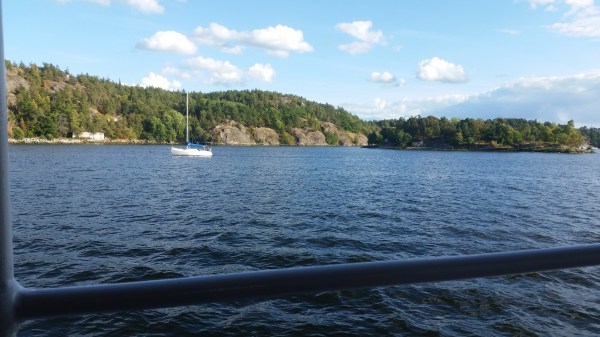
Many of the islands are reachable by commercial boat lines and, whichever option you choose, you’ll almost certainly have your breath taken away by the scenery. As I was short on time when visiting, I only made it as far as Vaxholm – sort of cheating as it’s reachable by road.
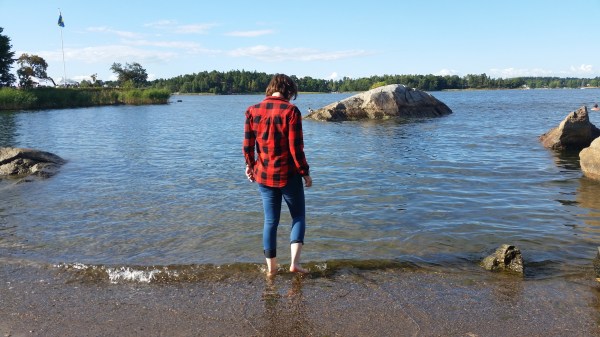
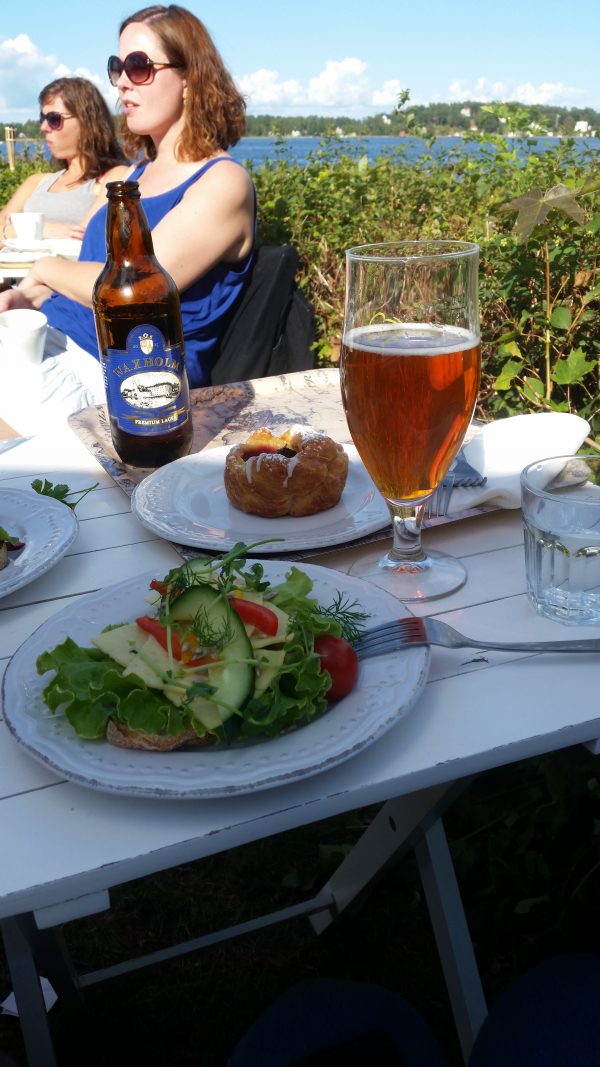
Nonetheless, it was definitely worth it: there were places to swim, and the delightful Vaxholms Hembygdsgards Café is a perfect place to sit, drink, eat and watch boats go by in the sun.
The metro system
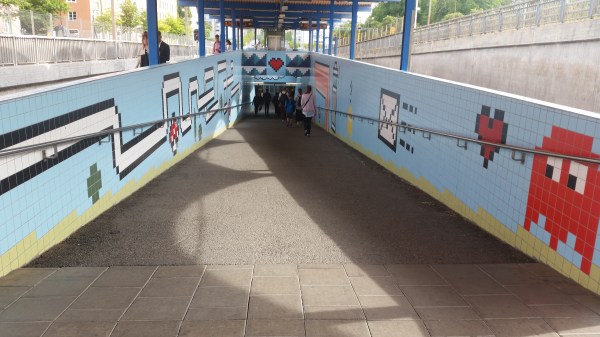
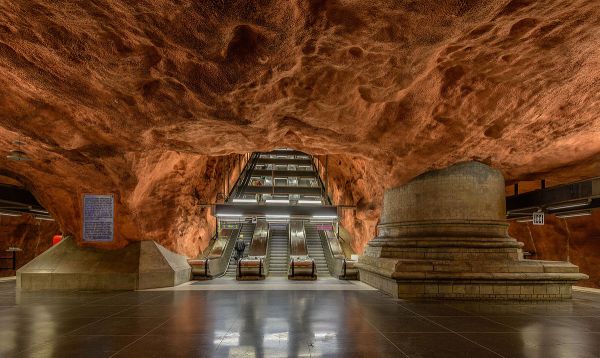
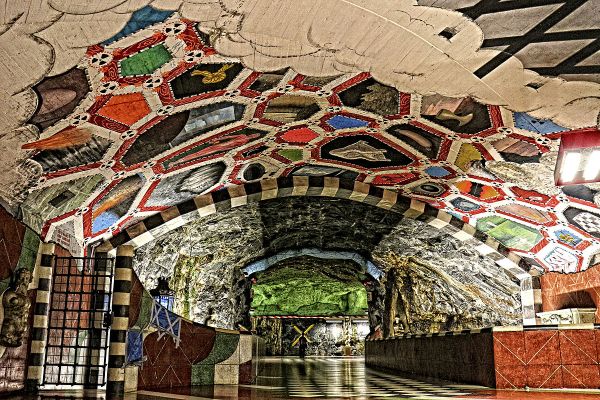
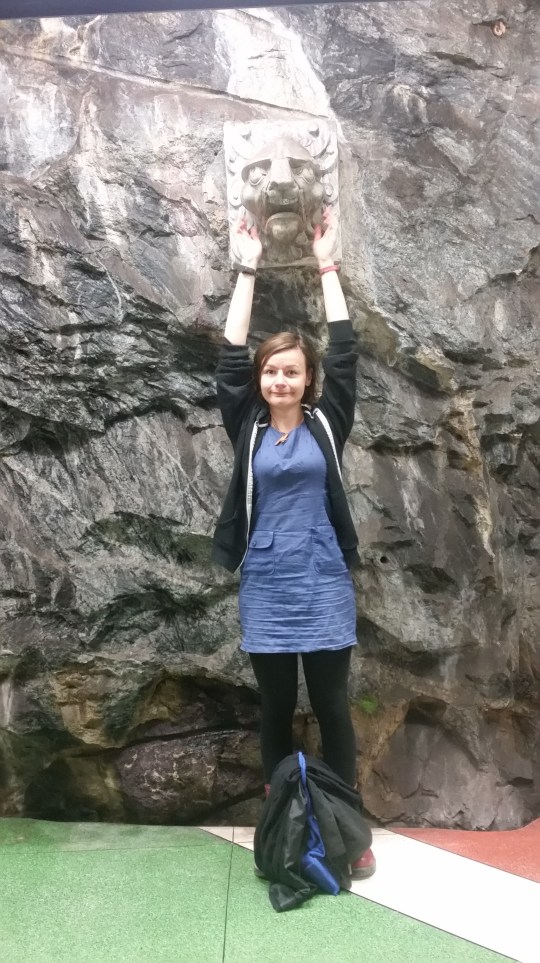
It may seem unusual to describe a city’s public transport system as a holiday highlight, but Stockholm’s definitely deserves a mention. Described in some places as “the longest art gallery in the world”, many of the stations have been decorated by artists in weird and wonderful ways.
Fans of optical illusions and grotesques should definitely visit Kungsträdgården, while fans of Nintendo should head to Thorildsplan, where there are mosaics of objects from a range of their games. Rådhuset and the blue line at T-Centralen are also pretty spectacular.
Take a dip at Långholmen
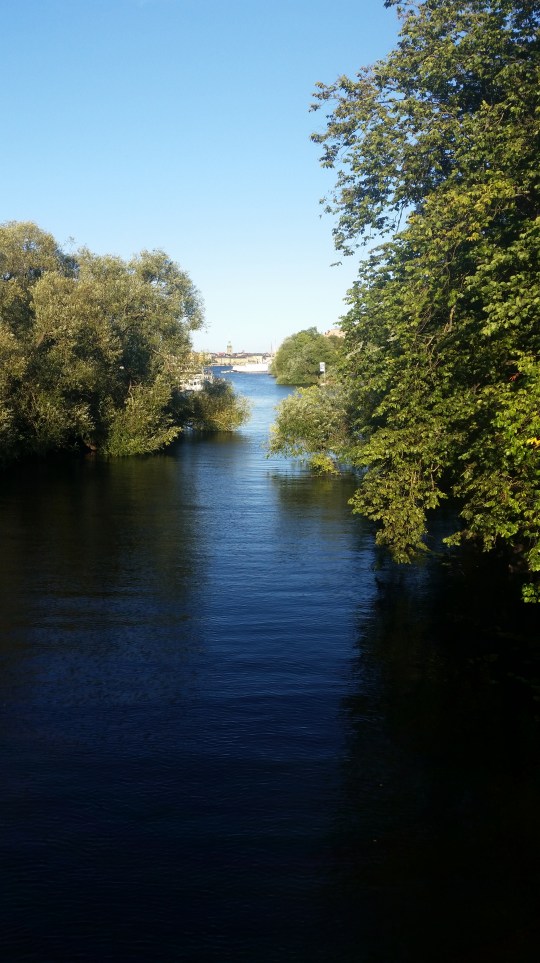
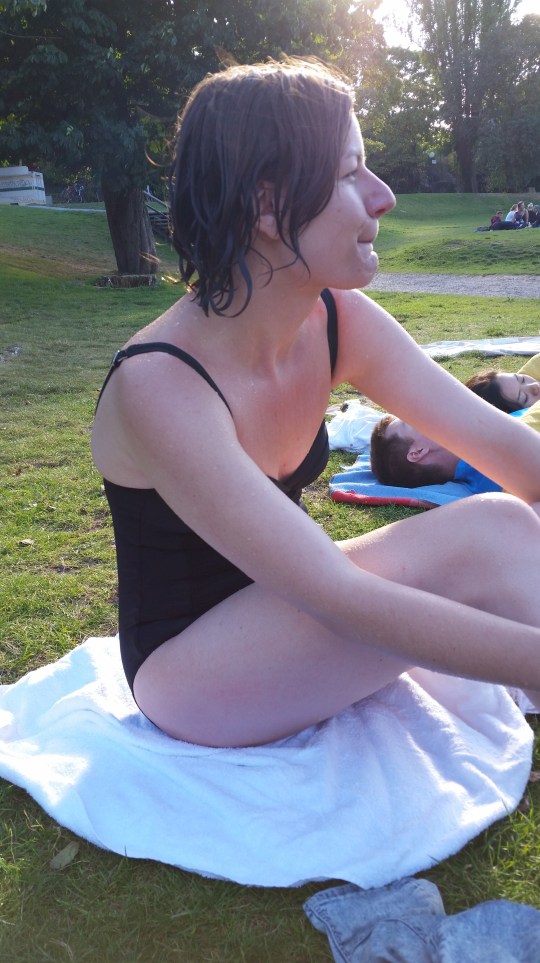
Although Stockholm has a lot of water, it doesn’t have a great many beaches. Långholmen is the exception to that: it’s an island in central Stockholm, and has several sandy inlets perfect for having a quick – if startlingly chilly – swim in summer. The island is virtually undeveloped as it was used as a prison until 1975.
Wandering the city
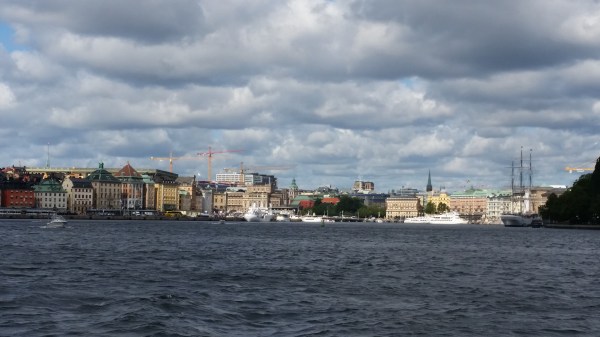
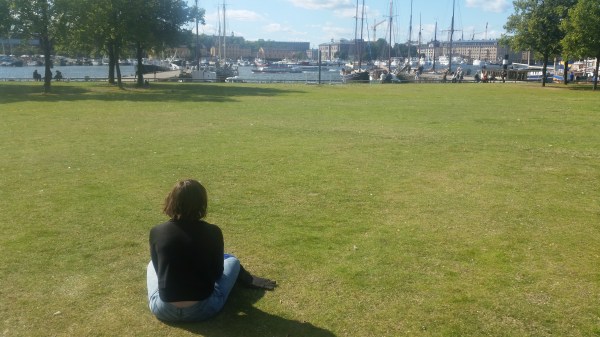
As you may have noticed by now, one of my favourite things to do in almost any city is set out on a self-guided and barely planned walking tour. Stockholm was no exception, though there are some districts and sights it’s arguably worth a dedicated detour for. Try and take in:
- Skeppsholmen, an island jointly owned by all citizens of Stockholm;
- Djurgården, home to the wonderful Vasamuseet, which is also worth a visit;
- Södermalm, acknowledged as the ‘trendy’ part of town;
- The old town (Gamla Stan).
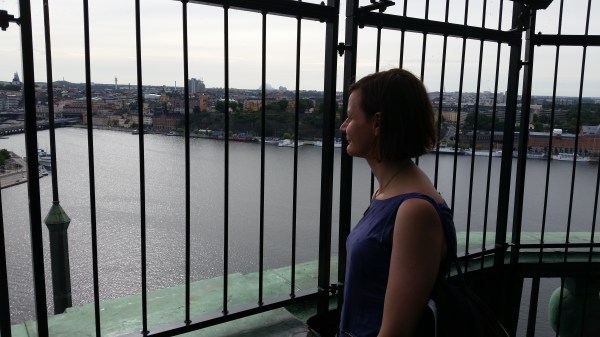
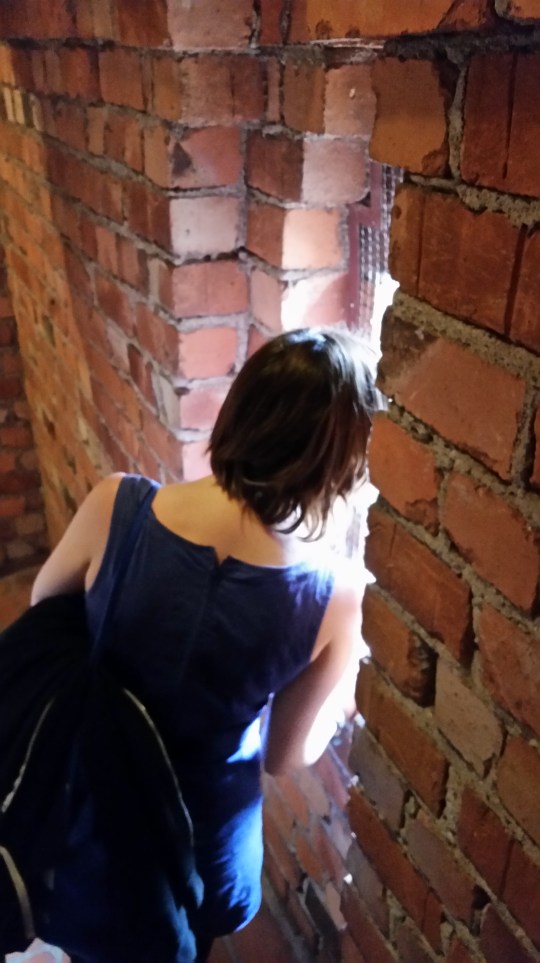
Panoramic views over the city can be enjoyed from the top of the Town Hall’s tower. It’s an exhausting climb to get to the top, but there are some impressive statues along the way to keep you going.
Some food and drink recommendations
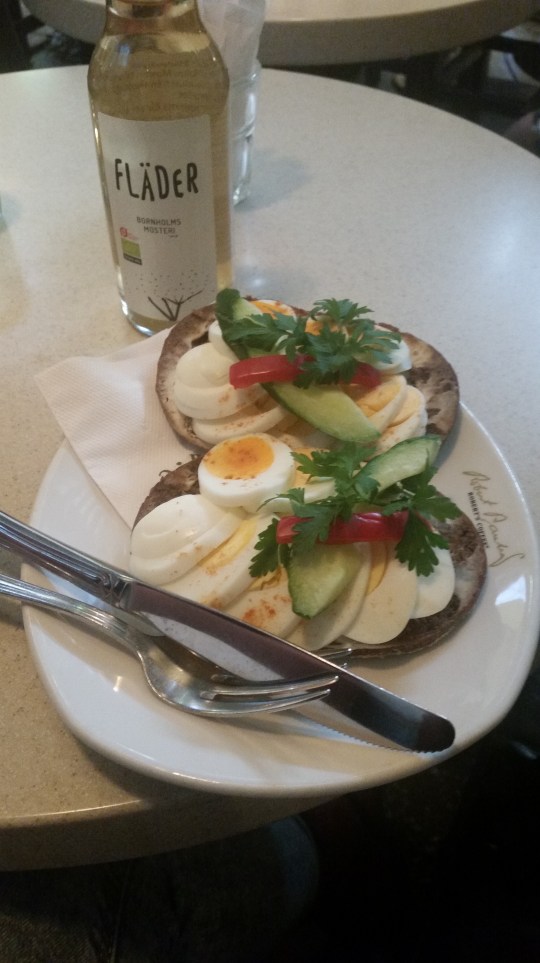
- Smörgås, or open sandwiches. Typical of most Scandinavian countries, these were one of the few local dishes easily compatible with a vegetarian diet (though you will be spoilt for choice if you eat fish). I had a delicious example at food market Östermalms Saluhall; I would usually rush to recommend it as a dining destination, but unfortunately it’s now closed for renovation until 2018. There is a temporary replacement food hall, but I can’t vouch for it – please do let me know if you’ve been!
- Creperie Fyra Knop: a quaint and lovely creperie, tiny and slightly below street level. Decked out to look like a ship’s cabin, it has a vast selection of crepes (both savoury and sweet), and the wine was the cheapest we found in the city (a mere £6 a glass!).
- Giro Pizzeria: Quite simply, amazing pizza. The smoked mozzarella deserves a special mention – I think I could eat it with every meal.
 All Around EU