Official language: Slovenian
Capital: Ljubljana
Currency: Euro
Population as % of total EU: 0.4
Joined EU: 2004
Did you know?
- Slovenia only became an independent country in June 1991 when it split from Yugoslavia. That makes it the youngest country in the EU and one of the youngest in Europe.
- The country is small: it only has around 2 million inhabitants and covers just over 20,000 square kilometres. To put that size into context, that means it’s 485 times smaller than the US, 12 times smaller than the UK and 4 times smaller than its neighbour Austria.
- Slovenian is a complex language and has several dozen dialects. As well as singular and plural, it also has ‘dual’, where things are counted in pairs. That said, English is widely spoken, as is Italian and German.
- The countryside and nature play a big part in Slovenia’s landscape and culture. Forests cover over 50% of the country, meaning it is the third most ‘forested’ country in the EU (after Finland and Sweden). There are also over 300 lakes in the country, as well as stunning mountain ranges. The highest peak is Mount Triglav (meaning ‘three heads’), and it’s said that a Slovenian is not a Slovenian until they have scaled its peak.
- Slovenia has a surprisingly high number of beekeepers: about 4 in every thousand citizens. The national beekeeping association is over 140 years old, and the only bee species that is allowed to be kept in the country is the Carniolan honeybee. A distinctive sight in Slovenia is the traditional beehive panel: a painted wooden board that covers the front of a hive. These panels date back to the 18th century and are typically done in a folk art style.
- Slovenia is the only country in the world with ‘love’ in its name. And the tourist board like to make a really big deal of it.
Visiting Slovenia
If you take one message away from this blog post, it should be this: visit Slovenia.
Slovenia is one of the most beautiful countries I’ve ever been to. From the historic centre of Ljubljana to the forests, lakes and castles within easy driving distance of it, the country looks like it’s been pulled straight out of a fairy tale. This is something I cannot stress enough, and something I didn’t really expect when planning my trip: the landscapes are stunning.
I knew I was onto a winner even before my plane landed at Ljubljana airport (the only international airport in Slovenia). On an early morning flight from London, the skies were clear and from the plane windows you could see a fine mist hanging over the mountains. As we got closer, I could see castles perched precariously on hilltops, church spires and a mind-boggling amount of pristine trees and deep green forest. A quick glance around the plane confirmed that almost everyone else who could see out of a window was pressed up against it, and a couple were even trying to take photos. My first recommendation: if you’re flying in during daylight, try and get yourself a window seat.
I suppose I should caveat the gushing above (and below) with the fact that I only had 5 days in Slovenia and was based in Ljubljana for the entirety of that. As such, I only got to see a small slice of what the country has to offer, and everything I did see was within easy travelling distance of the capital. That said, I would now definitely like to go back for more – and everything I’ve heard suggests that I wouldn’t be disappointed.
Wandering aimlessly around Ljubljana
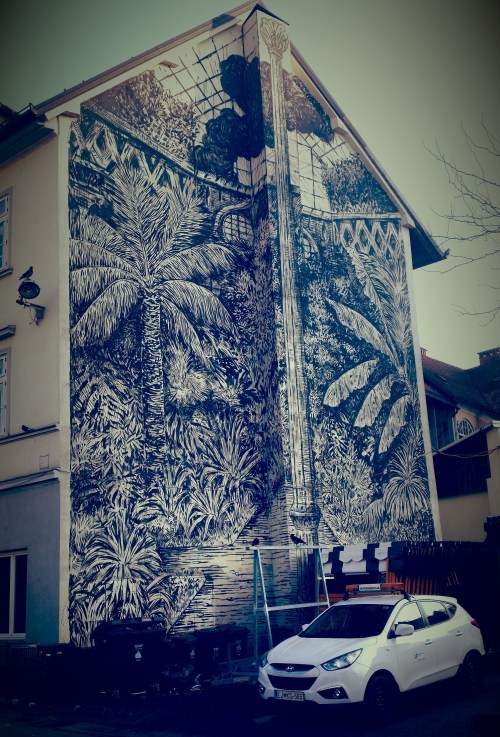
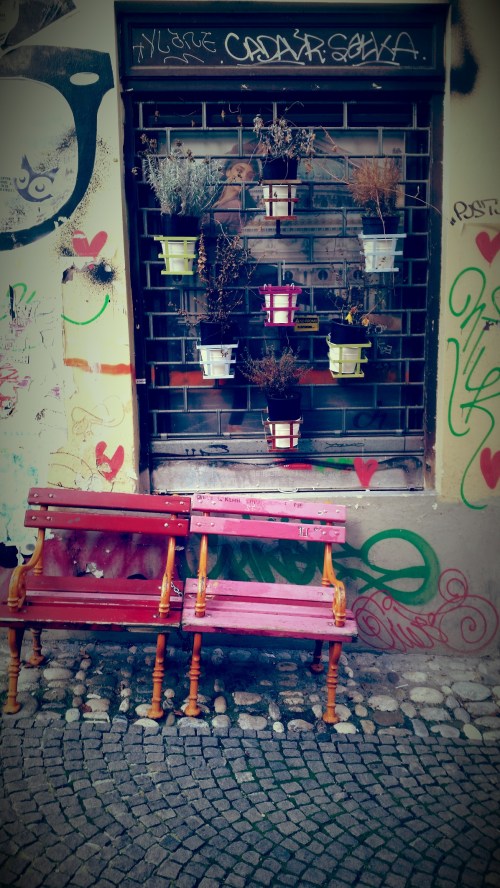
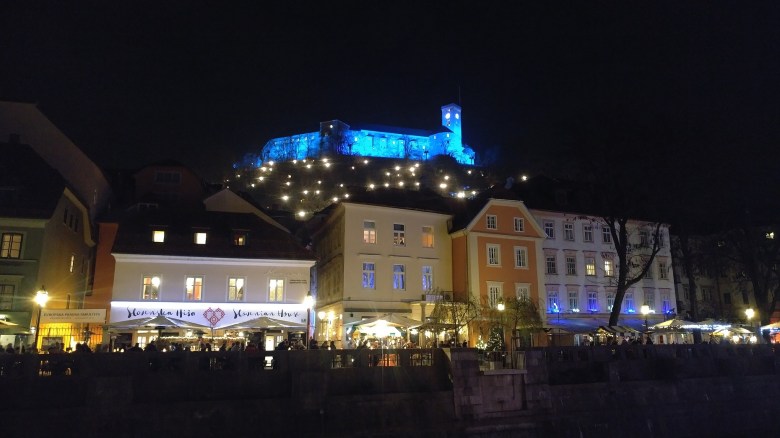
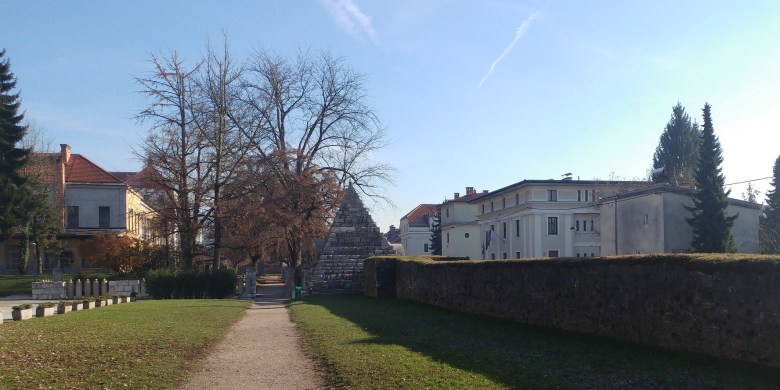
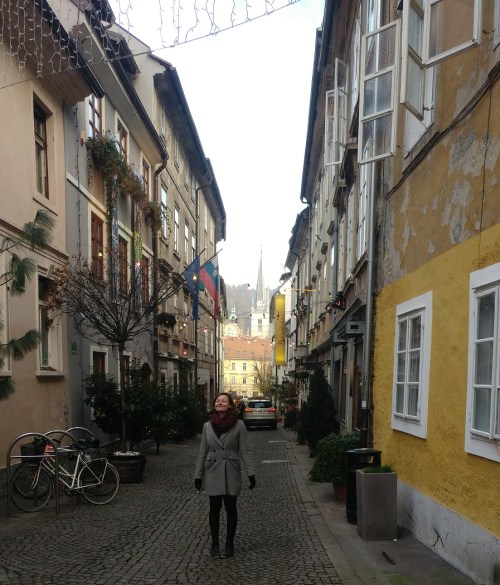
As you might expect from Slovenia’s size, the capital is manageable on foot (though the cycling infrastructure is excellent), and the centre is pedestrianised. From the castle that perches above the old town to cute independent shops, and from the winding Ljubljanica river to the countless examples of Jože Plečnik’s architecture, it’s a city you could happily roam all day. Take the time to walk to steep incline to the castle and take in the views and, if it’s a clear day, wander slowly along the river.
Lake Bled and Lake Bohinj
Lake Bled is one of the most popular tourist destinations in the country. I was scared that this might mean it was tacky, crowded and disappointing – but I can assure you that it wasn’t. Though cold, I visited on a clear, sunny day and it took my breath away – I’ll let some photos speak for themselves.
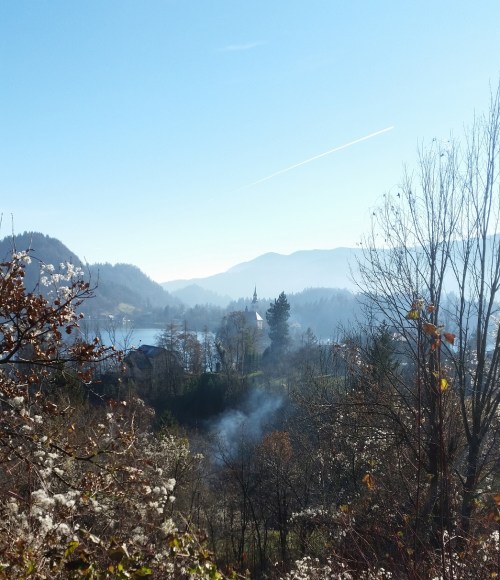
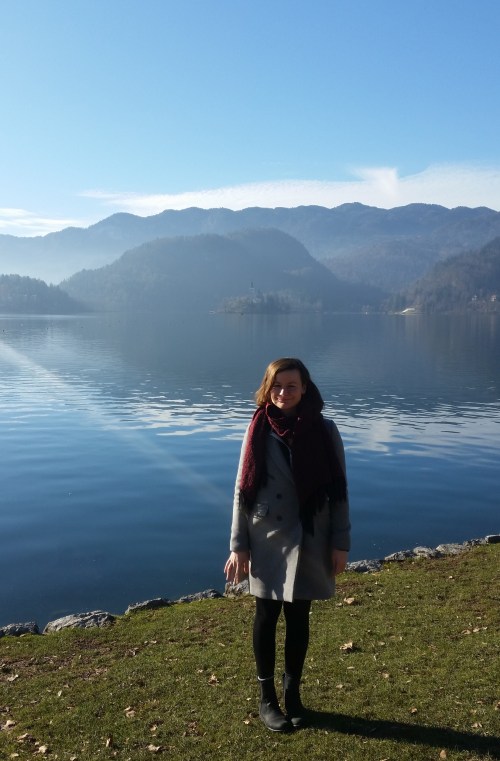
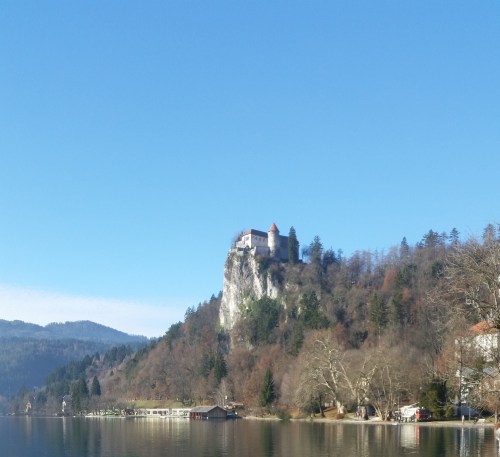
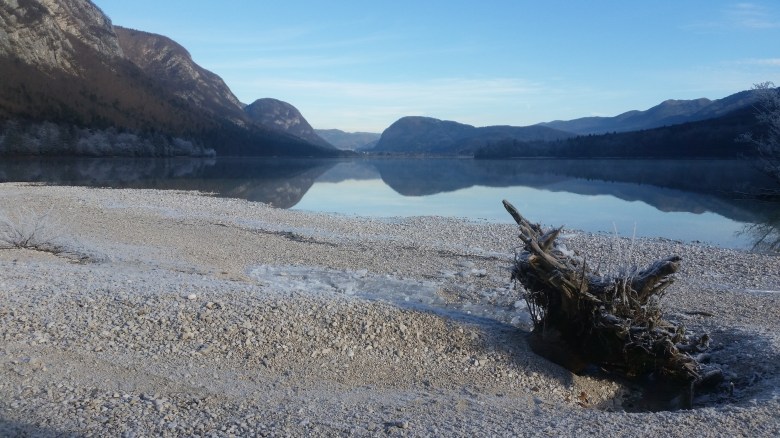
Bled is easy to reach from Ljubljana by train or by bus, but I was lucky enough to be driven there by a friend of a friend. Obviously getting an idea of my character pretty quickly, my guide suggested we go a bit further, to a lake more off the beaten track and more wild: Lake Bohinj. This lake is much more difficult to reach without a car but if you can make it, I really urge you to.
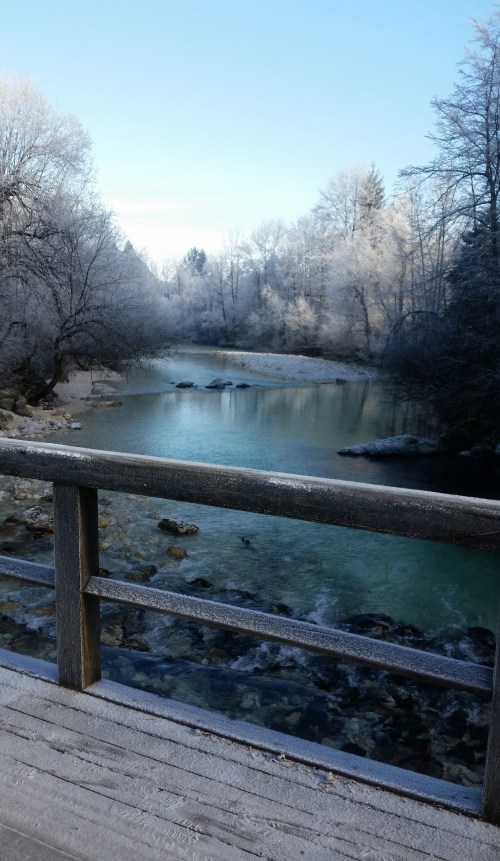
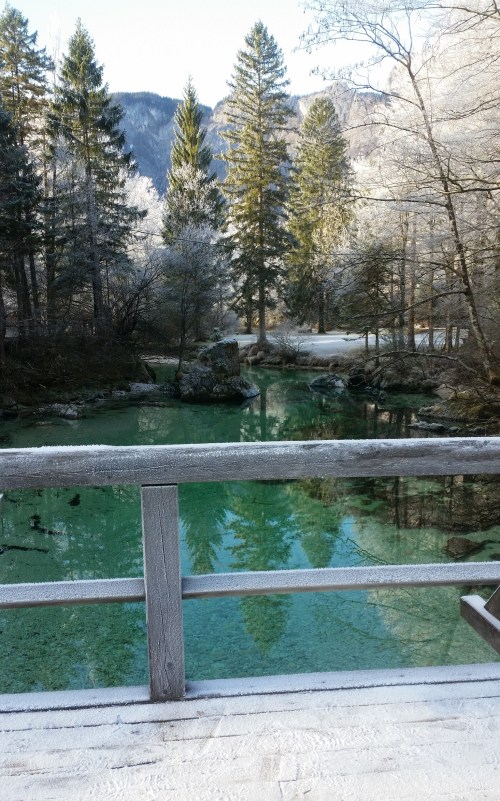
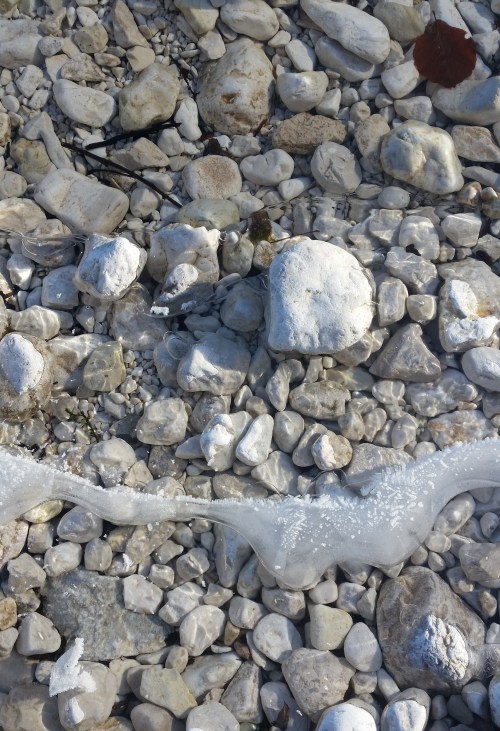
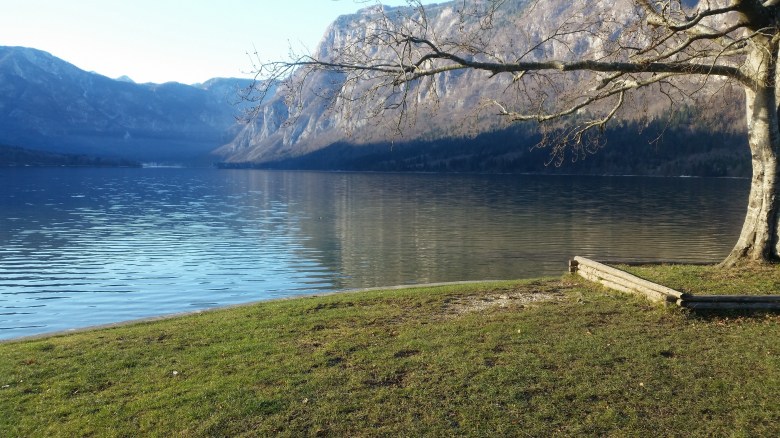
Half the lake was in the shade and consequently part frozen, and we walked through some forest to get to its edge. Aside from the frost crunching underfoot, it was totally silent; when we reached the lake, it was one of the most peaceful and beautiful places I had ever been.
Tivoli Park
If you like dogs, you’re in for a treat in Ljubljana – almost every other person seems to be accompanied by a four-legged friend. And if you visit Tivoli Park, you’ll be even happier – it seems to be the place to take them for a stroll, especially at the weekend. Tivoli is the biggest park in the capital, and covers an impressive 5 square kilometres. It borders the city centre and is home to several museums, a variety of bird species and numerous statues and fountains.
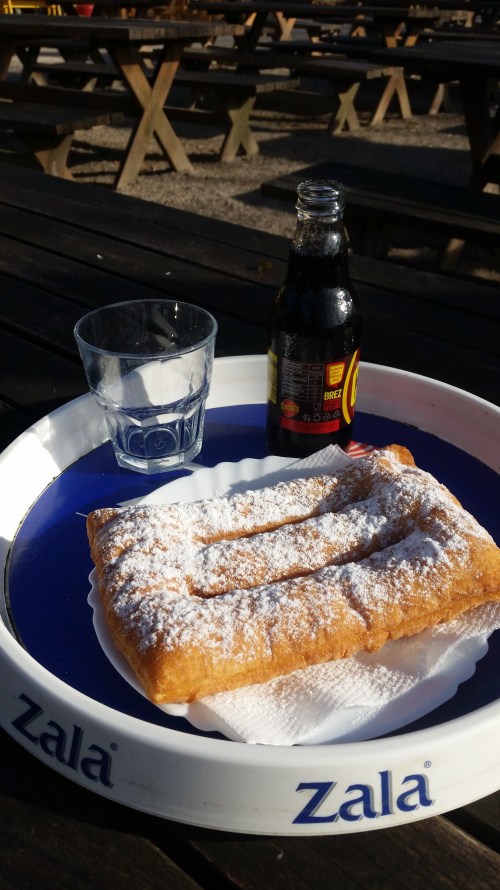
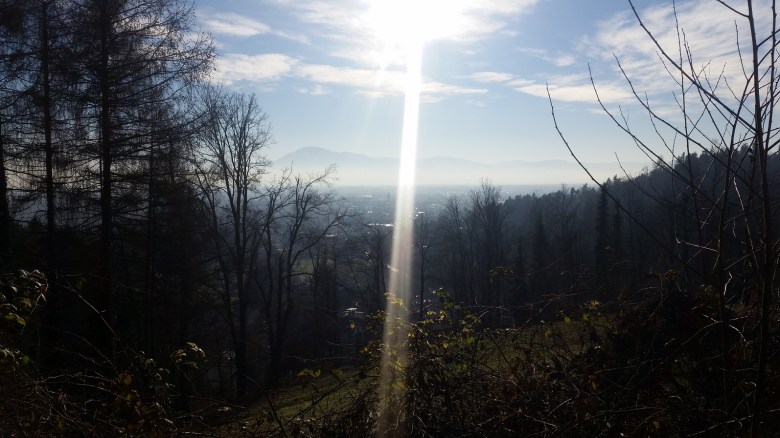 To the west of the park is the 391 metre tall Rožnik Hill, and I would highly recommend tackling the walk to its peak. Start from the Museum of Contemporary History at the east of the park, and wear sensible shoes. There are some great views on the way up (see above), and a small taverna at the top where you can perch at an outside table and have a rest. Rather than having a meal, ask for a flancat – a typical Slovenian pastry that a surly woman described to me as “a doughnut without the filling”. It’s delicious, and probably about a million calories.
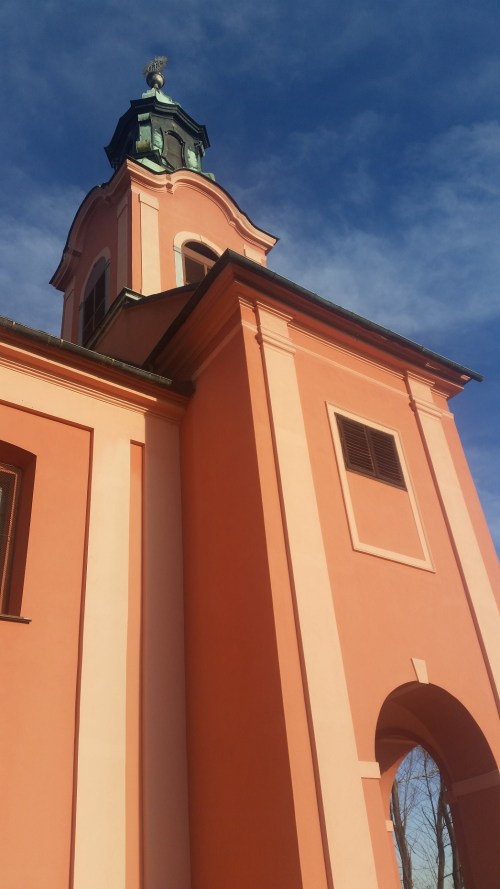
Also at the top of the hill is a cute pink church. It looks a bit like it should be in miniature and perched on top of a cake.
Christmas markets
If you can withstand the below freezing temperatures, early December is a great time to visit Slovenia. Not only might you get to see some real, frost-covered Christmas trees in lakeside forests, but you’ll also most likely experience some wonderful (occasionally weird) Christmas decorations, and some Christmas markets that will almost certainly get you feeling festive.
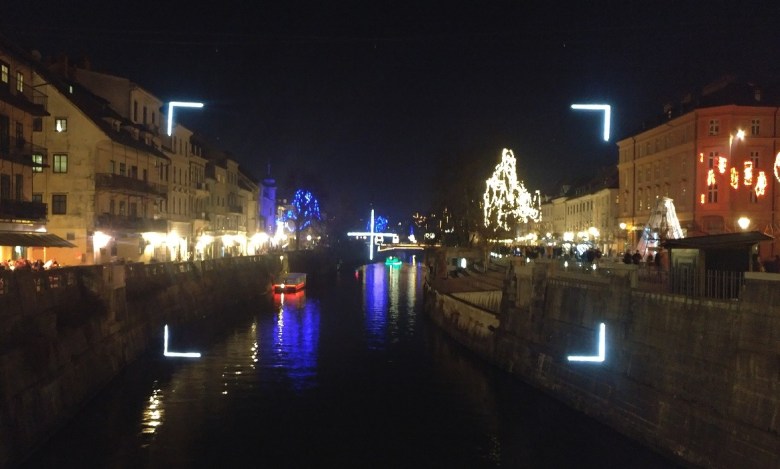
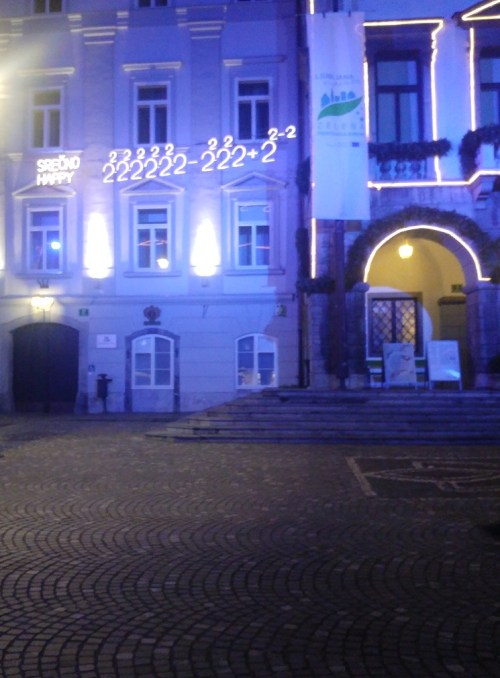
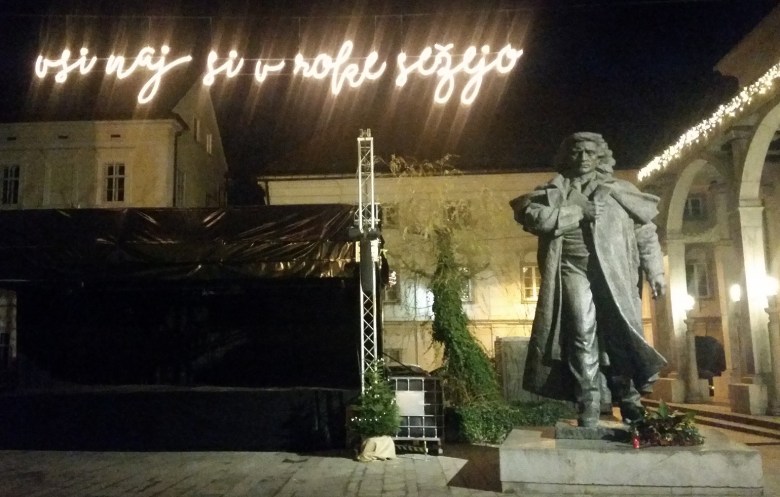
Ljlubljana’s 2016 decorations seemed to be largely based around the theme of ‘space’, whilst Kranj’s Christmas lights spelled out lines from the poems of Slovenian author France Prešeren.
Mulled wine is available in abundance, including white – something I have never seen anywhere else. You should also sample some hot honey liquor – a veritable treat on a winter’s evening.
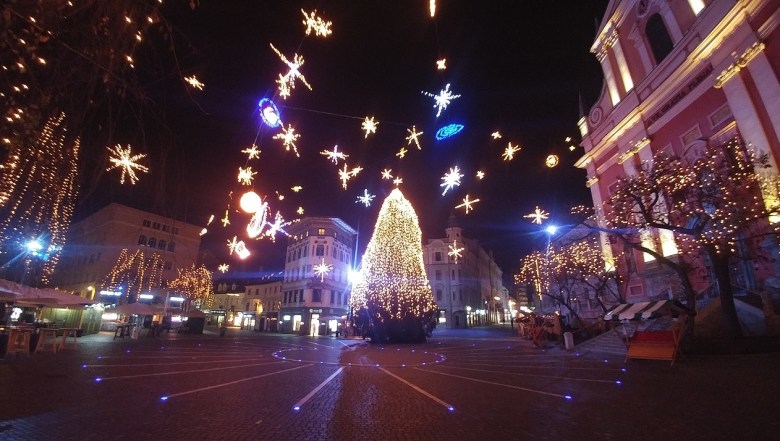
In Ljubljana’s main square (Prešernov trg) was the city’s biggest Christmas tree (real, of course). Fun fact: the tree is named every year and, in 2016, it was christened Melania (after the US President Elect’s wife, who is Slovenian). Some locals assured me this was ironic.
 Food and drink
If you’re anything like me, food and drink forms a sizeable chunk of your interest in travelling anywhere. And whilst Slovenia isn’t exactly easy for a vegetarian to navigate, it is rich in dining options and local delicacies. I’ve put together two short lists of top places and products to try if you find yourself in Ljubljana or thereabouts – though I’m sure there are loads more that I have yet to discover.
Products
- Pumpkin seed oil: almost more common than olive oil, and darker in colour. Drizzle on salads, into soups and even onto desserts.
- Cockta, a rosehip based soft drink originally made to compete with soft drinks from abroad like Coca Cola, which wasn’t available in Yugoslavia. Beware though – there’s no caffeine in this one!
- Slovenian honey. I’d recommend trying the variant with linden (lipa, sometimes also translated as lime), which is a national symbol of Slovenia.
- Slovenian wine, and lots of it. I don’t know why it isn’t exported, but it was darn delicious.
- Burek pastry, either sweet or with cottage cheese. We fell in love with a 24-hour bakery on Trg mladinskih delovnih brigad, but I’m sure other options are available.
Places
- Gujžina Premurska Gostilna. Specialising in food from Pannonia with ample traditional vegetarian options and lovely staff. If I ate meat, I would have devoured the goulash, which came in a small pot over an open flame.
- Sarajevo 84. Traditional Bosnian food; mainly meaty, but the deliciousness of what I had more than made up for it. Try the bread, order sides of cream cheese and beans and don’t worry that the staff look like they’re not listening. (What happened in Sarajevo in 84, I hear you ask? The winter Olympics.)
- Metelkova. An old military barracks, squatted and turned into a social centre made up of various venues in 1993. Go late at night, have a drink, catch some music and drink in the alterative scene. You’ll smell of smoke in the morning.
- Tabar. Fancy Slovenian tapas and wine. What could be better?
And that, my friends, is why I am in love with Slovenia. What are you waiting for?
 All Around EU