Official language: Portuguese
Capital: Lisbon
Currency: Euro
Population as % of total EU: 2.02
Joined EU: 1986
Did you know?
- The Portuguese empire was one of the largest and longest lasting in history. Beginning in 1415, it existed for almost 6 centuries. A great book that centres on the fallout of the 1974 Carnation Revolution, which saw the decolonisation of Portuguese Africa, is The Return by Dulce Maria Cardoso.
- It is estimated that there are about 260 million Portuguese speakers around the world. Portuguese is an official or de-facto language of many countries: Portugal, Brazil, Cape Verde, Angola, Guinea Bissau, Mozambique, Sao Tome and Principe, Equatorial Guinea, Macau, and East Timor.
- Portugal is the largest cork producer in the world.
- Portugal is home to the longest bridge in Europe, with Lisbon’s Vasco da Gama Bridge measuring in at 10.7 miles (17.2 kilometers).
- Portugal was the first country in the world to abolish life imprisonment, and the maximum sentence under Portuguese law is 25 years. In addition, in 2001 Portugal became the first country in the world to decriminalise the possession and consumption of all drugs.
Visiting Portugal: sun and sea in the Algarve
I had been desperate to visit Portugal for a few years. The number of people that had raved about it – the bohemian joys of Lisbon; the food, drink and underrated charm of Porto; the marvels of Sintra. I even got so far as queuing to board a plane there earlier this year, before it was cruelly cancelled by Easyjet at the last minute. But the Algarve? The idea of visiting it had never crossed my mind.
The two words conjured up visions of sun lounger strewn resorts, hordes of drunken Brits and tacky package holidays. But, towards the end of September, I found myself with a week on my hands and very reasonably timed and priced flights to Faro from my closest airport. What’s a girl to do but throw her prejudices out of the door?
A good friend managed to get the time off work, agreed to join me and, through a process guided by very little logic and quite a lot of impulse, we decided to spend a few days in Olhão. A strategic choice in that it’s less than 20 minutes from Faro airport and it doesn’t have a resort in sight. An impulsive choice in that we knew absolutely nothing about the place except that there was a hotel there that looked pretty nice, and it was close to the sea.
Olhão is indeed close to the sea – it’s the Algarve’s largest port. It has a thriving fishing community, a giant fish market and is renowned for its seafood. I can’t comment on the quality of the goods as both me and my companion are vegetarians, but I’m told it’s pretty special (Jamie Oliver is a big fan).
Olhão is also known as the gateway to the Ria Formosa Natural Park, a 60 km stretch of islands, canals and marshes along Portugal’s southern coast. And it’s also home to some stunning architecture – white cubist style buildings with roof terraces and colourful tiles as far as the eye can see.
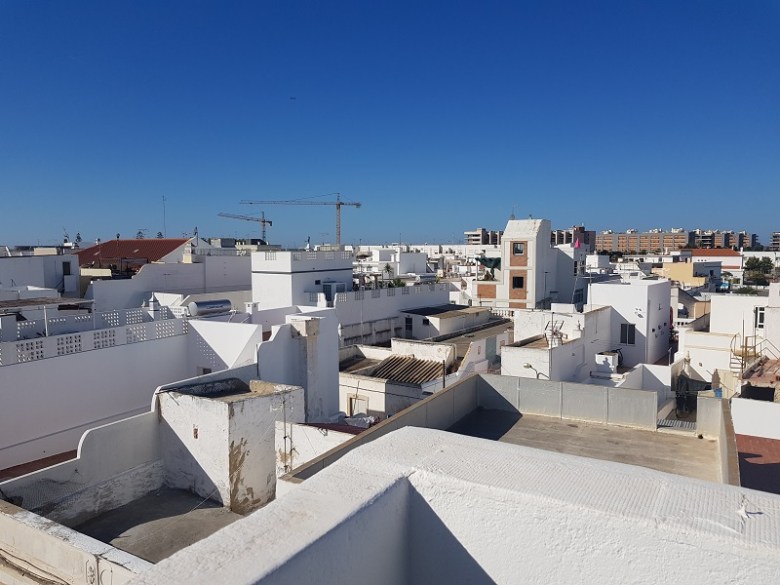
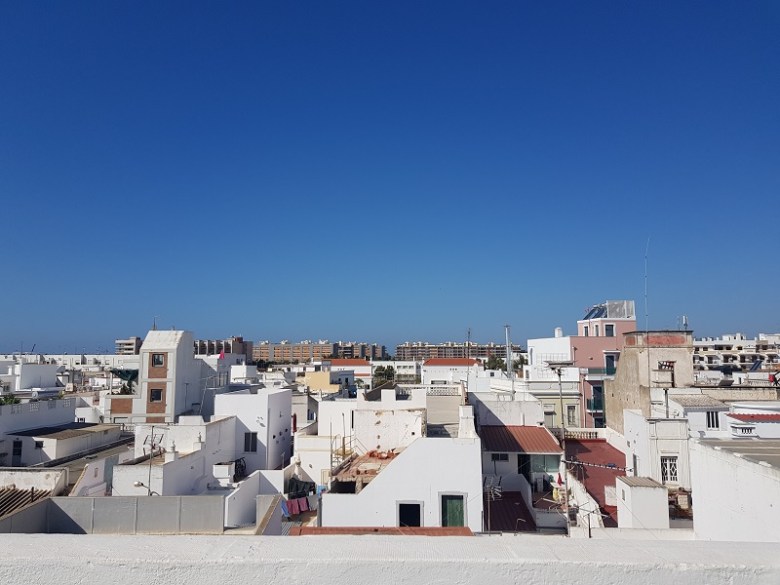
My conclusion? Olhão is a wonderful holiday destination, perfect for anyone who wants to unwind with some sun, sea and understated charm.
An ideal hotel?
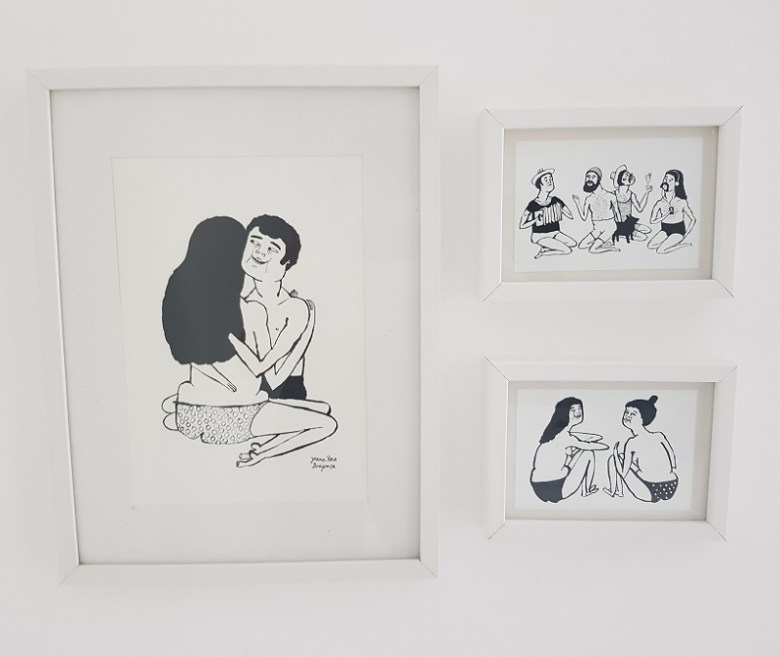
In all honesty, our choice of hotel really made our stay. We chose Guest Mar, a 10 minute walk from the ferry port, as our base and it really ticked all the boxes: friendly staff who loved the city and freely offered advice on how we could spend our time, delicious breakfast, stylish décor, a roof terrace, free pastries and comfortable beds.

The hotel is small – less than 10 rooms – and has a quirky maritime theme. The rooms are almost entirely white: kind of spartan, but totally welcoming and cosy at the same time. It’s presided over by João, who has a story for every occasion and obviously knows Olhão and the Ria Formosa like the back of his hand. His goal is obviously to make all his guests feel like they’re in a home away from home, a philosophy that seems to have been whole-heartedly adopted by everyone else working there. I really can’t stress enough how much we loved this hotel – I would stay there again in a heartbeat.

Ria Formosa Natural Park
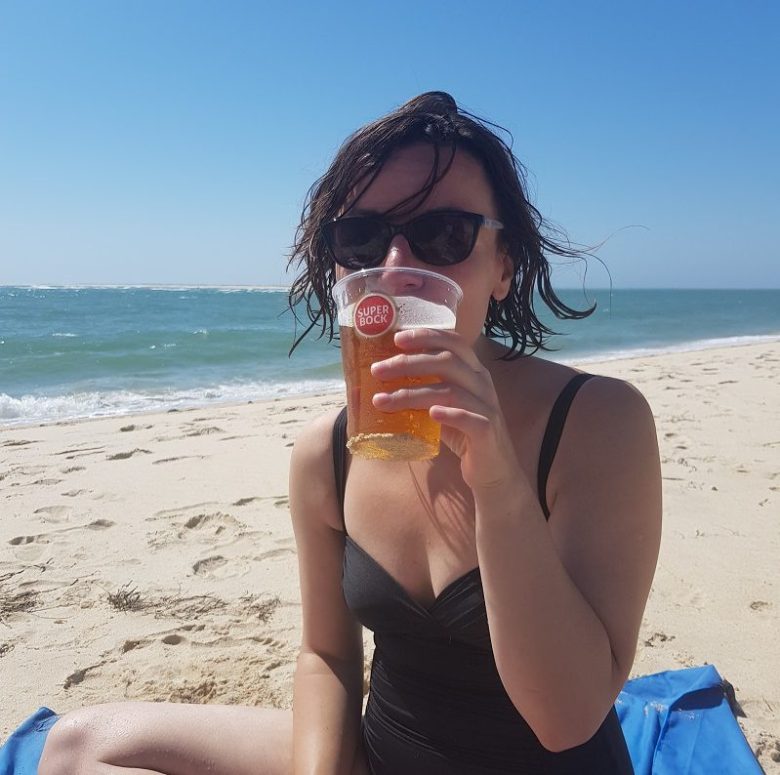
I had three goals for this trip: relax on the beach, soak up the sun and read lots of books. And the islands of Ria Formosa are perfect for all three – especially if you go slightly off season like we did.

All the islands – which have small settlements and lots of sandy beaches – can be reached by ferry from Olhão (about € 2 a go, buy before you board). Off season the sailing times are pretty irregular so you need to do a bit of forward planning but, if all else fails, you can summon a water taxi that will take you from or to the mainland for a flat fee of € 25. I can’t speak for all water taxis, but we did this once and it was great fun – the boat was super speedy, super splashy and manned by two chatty and friendly young men.
We sampled three of the islands – Armona, Culatra and Farol. Farol is actually the same island as Culatra – you can walk from one to the other along the beach in about half an hour. All of them were wild, beautiful and very peaceful. Each had at least one beach café selling drinks and simple snacks (cheese toasties, yes please!) and the water was crystal clear.

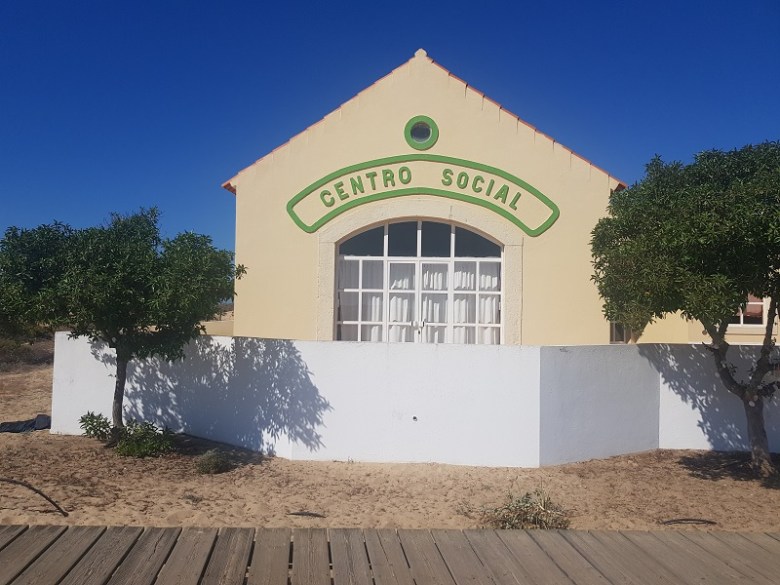
Our favourite island was probably Armona, especially for watching the sunset. But we were happy to have visited all three and, if time permits, would recommend them all to any visitor.
Olhão legends
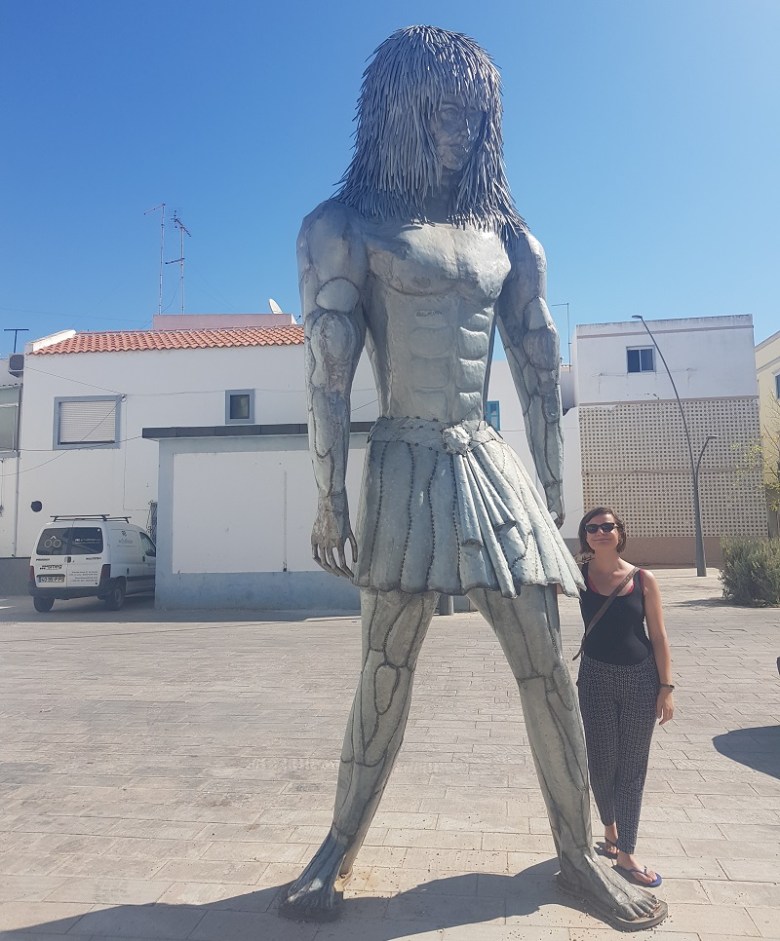
One way of having a nice wander around Olhão’s twisting streets is to follow the Caminho das Lendas (Route of the Legends). It’s a relatively short trail made up of sculptures depicting a range of local legends. The stories range from the strange to the downright silly, but it’s an enjoyable way to get to know the city and some of its mythology.

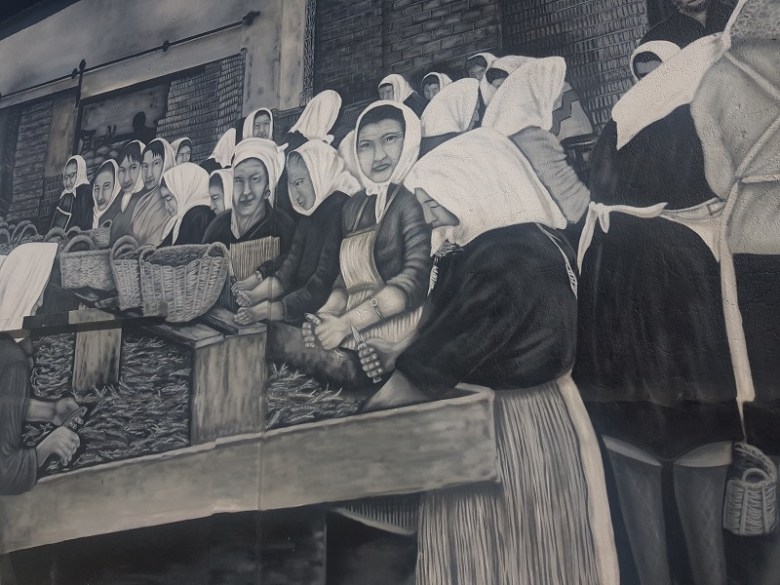
One end of the route is Largo da Fábrica Velha, which is a sight in itself. There, the walls of an old factory have been entirely covered in murals depicting the history and traditions of Olhão. They were painted in 2017 by Loulé-based art association Satori and are truly mesmerising:


A small detour from the route will also take you to the Igreja de Nossa Senhora do Rosário (Our Lady of the Rosary Church), an eye-catchingly symmetrical church adorned with several large birds’ nests.

Tiles
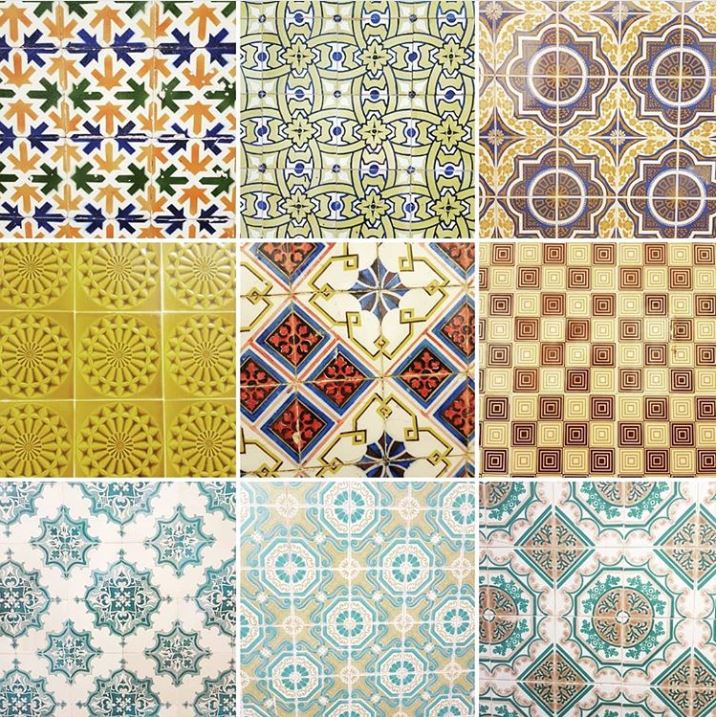
As I got a bit obsessed with all the traditional Portuguese tiles that can be found all over Olhão, I couldn’t let this blog post go by without sharing just a few of them…
Do you have any Algarve tips, or tales of preconception-busting travels? Let me know!
 All Around EU