Official language: Polish
Capital: Warsaw
Currency: Polish Złoty
Population as % of total EU: 7.5
Joined EU: 2004
Did you know?
- Poland borders seven other countries: Russia, Lithuania, Belarus, Slovakia, Ukraine, the Czech Republic and Germany. However, it is not a landlocked country: to the north-west, it has about 300 miles of Baltic coastline. Curiously, Poland also has a tiny and dwindling desert, the Bledow.
- The start of the Second World War in Europe was marked by the Nazi invasion of Poland in September 1939. The Polish population suffered horrifically during the war: around 6 million people (18% of the population) were killed, and others were subjected to forced evictions, torture and enslavement.
- Poland is the only country in Europe still building new Catholic churches; almost every time a new neighbourhood is built, a new church comes with it. As a result, the ringing of church bells is a ubiquitous sound in Poland. Around 90% of Polish people identify themselves as Catholics, and the country boasts both the tallest statue of Jesus in the world (in Świebodzin) and a 45-foot statue of Pope John Paul II.
- There is an annual Dachshund Parade (Marsz Jamników) in Kraków. It started in 1994, and the dogs traditionally don fancy dress and parade down the Royal Route, the historical coronation path of the Polish kings between the 14th and 16th centuries.
- The founder of Esperanto, a constructed language intended to be universal, was Polish ophthalmologist L. L. Zamenhof. Zamenhof reportedly believed that a universal language could help avoid war, and his birthday (15 December) is celebrated annually by users of Esperanto.
Visiting Poland: Gdańsk
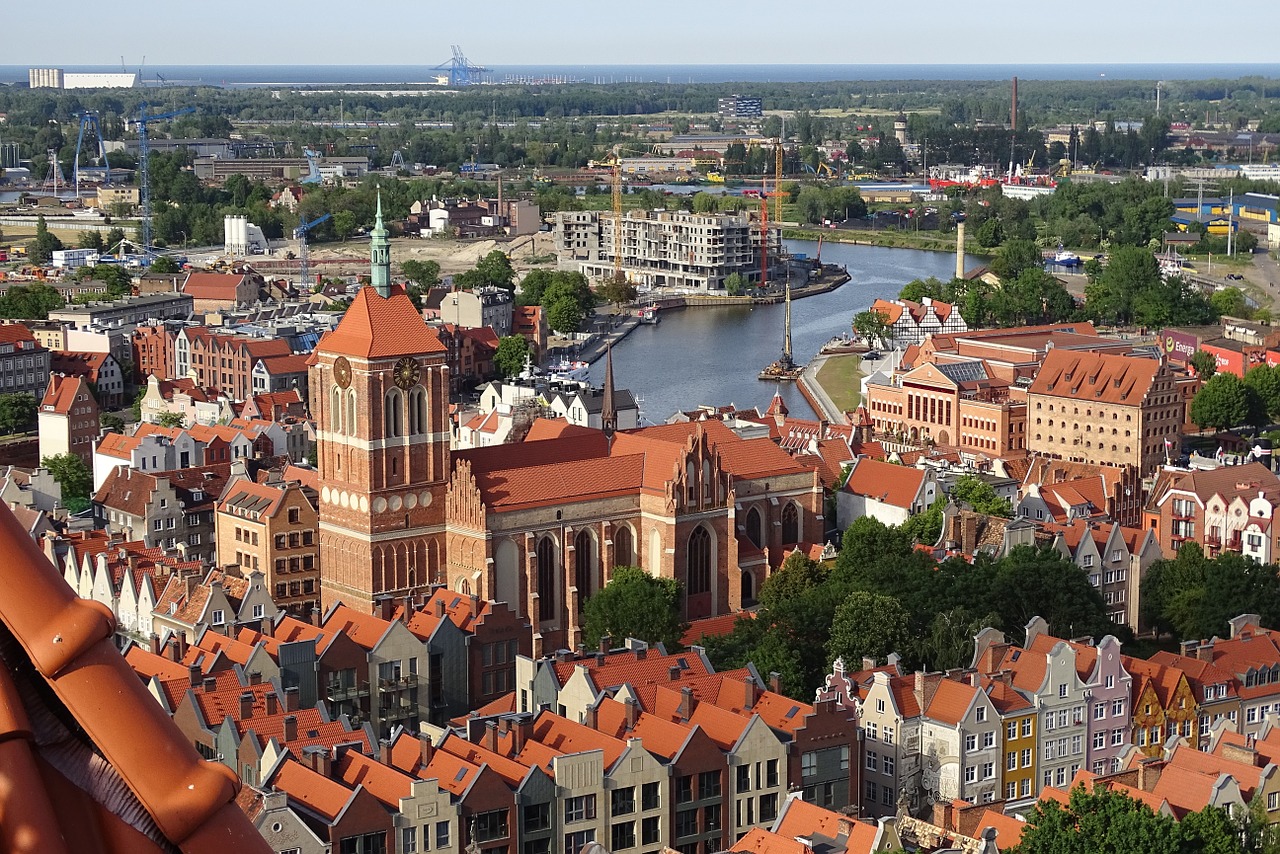
Gdańsk is a port city in the Pomerania region of northern Poland. Along with the city of Gdynia and the spa town of Sopot, it makes up the Tricity metropolitan area (Trójmiasto), a region of Poland that has about 1.4 million inhabitants.
Over the centuries, it has moved between Polish and German/Prussian control, and has twice been an independent City State: from 1807 to 1814 under Napoleon and again in the period between the two world wars. In this latter period, it was called the Free City of Danzig.
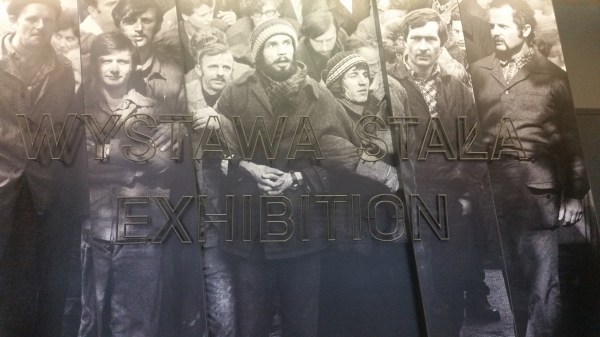
Gdańsk and its environs have witnessed some of the most pivotal moments in modern Polish history. The first clash of the Second World War occurred just outside its city limits and, in the 1980s, it became the birthplace of the Solidarity movement (Solidarność), which was instrumental in bringing an end to Communist rule in Poland. This movement was founded in Gdańsk’s shipyards, and Lech Wałęsa (who went on to govern Poland and win the Nobel Peace Prize) was one of its founding fathers.
European Solidarity Centre
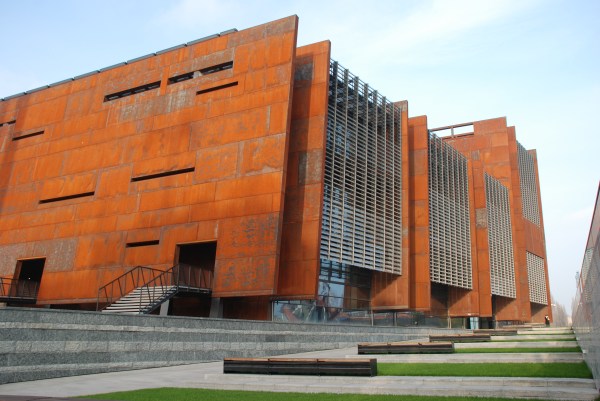
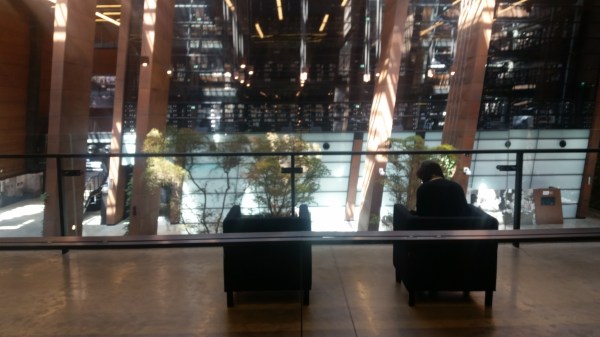
Gdańsk’s European Solidarity Centre plots the history of the Solidarity movement. The Centre’s innovative and expertly crafted exhibits really hammer home the significance of it, and I would highly recommend a visit – even to those who think it may not be their kind of thing. As a bonus, the building’s interior belies its severe façade, featuring study rooms, a viewing terrace and an indoor garden.
Old Town
Gdańsk has a small but perfectly formed Old Town. It was heavily bombed during the Second World War and, as a result, many of the buildings are post-war reconstructions. However, it still oozes history and, in places, feels surprisingly western European: some of the buildings bear a closer resemblance to the canal houses of Amsterdam than the Communist architecture you might expect. The further you go out of the Old Town, the more anonymous and blocky the buildings become.
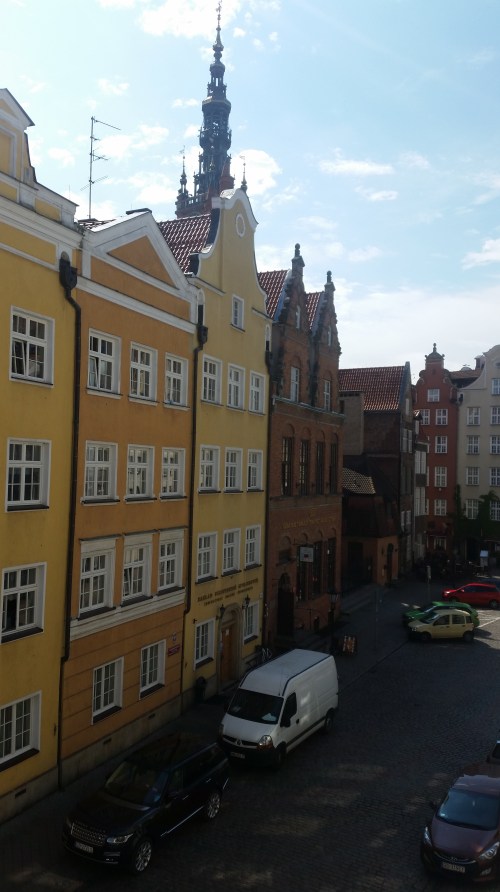
Strolling around the Old Town is definitely worth some time: there are impressive churches, countless shops selling amber and other local goods and lots of cafes selling delectable Polish cream cakes and coffee.
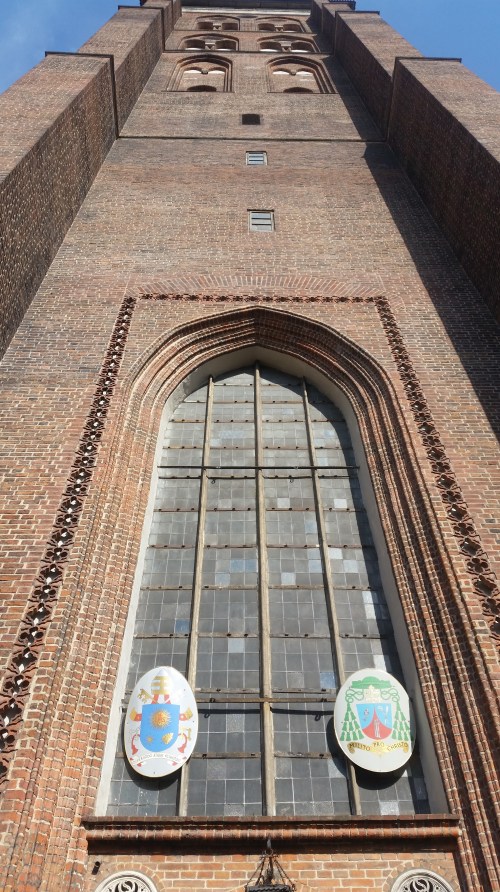
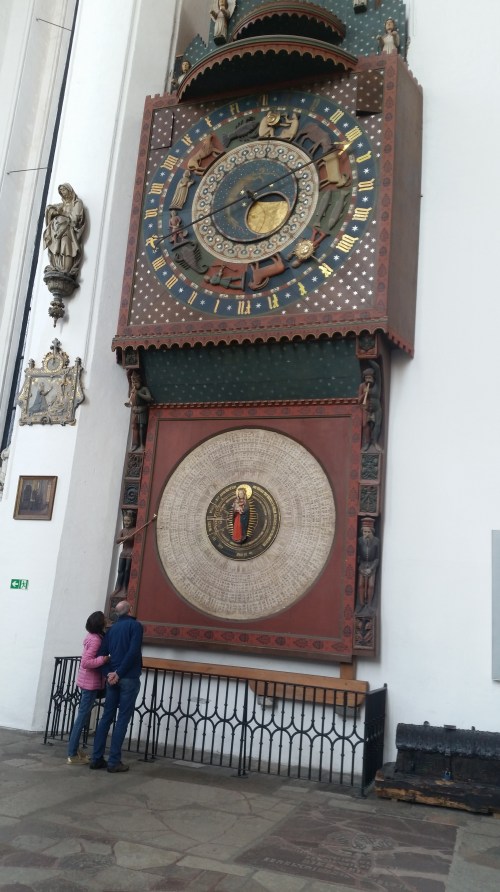
One of the Old Town’s most noticeable sights is St. Mary’s Basilica. Some accounts suggest that it is the largest brick church in the world, with over 30 windows, more than 300 tombstones and 31 chapels. It also has a connection to the Solidarity movement: between 1981 and 1983, the movement’s members used it as a place of refuge.
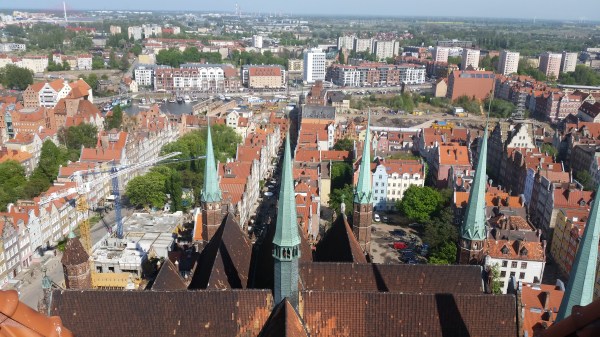
You can climb the church tower’s 405 steps, and be rewarded with lovely views across the city. Beware though – there’s not much room and it can get pretty overcrowded at peak times.
Walking to Sopot
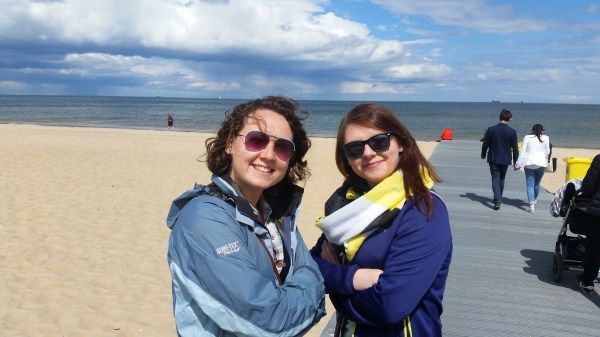
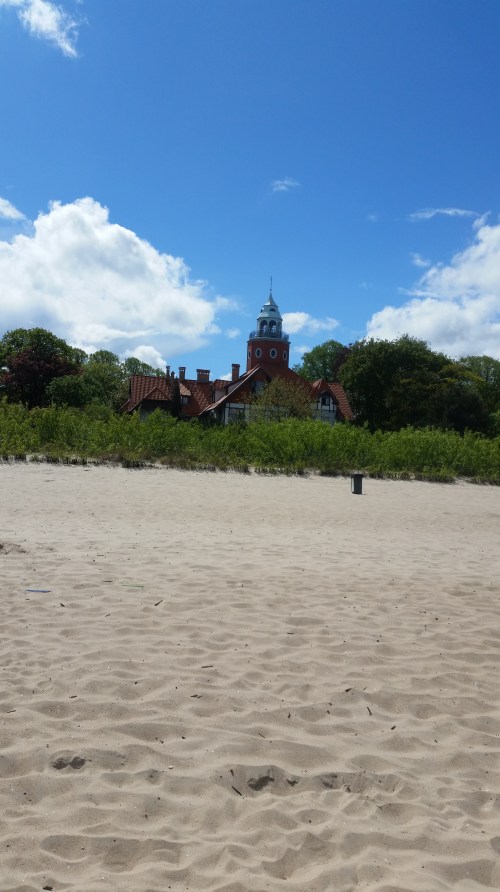
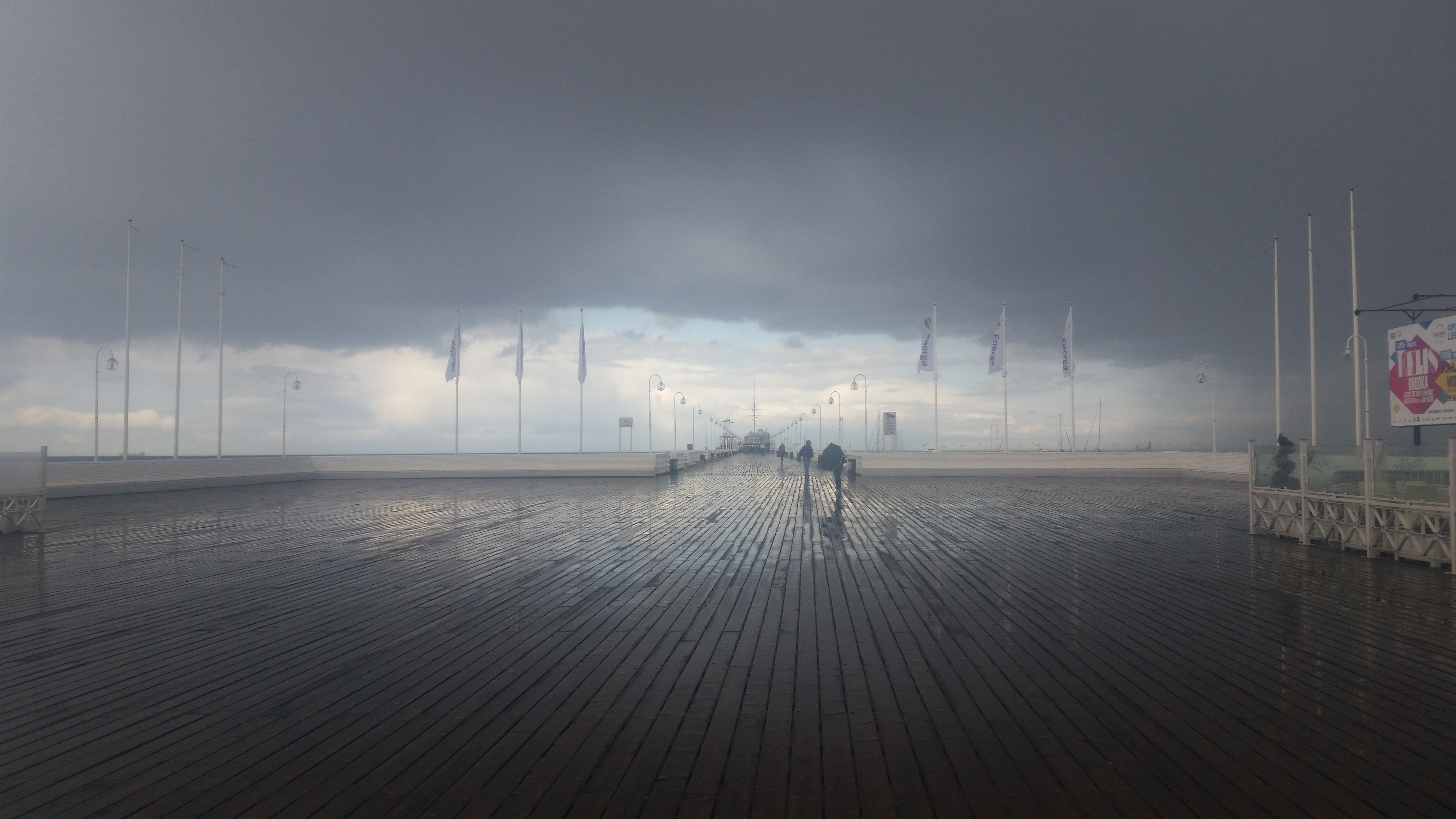
If you’re lucky enough to get some sun during your visit to Gdańsk, a walk along the sandy beach to neighbouring Sopot is beautiful. It’s an easy walk and takes about an hour; you’ll need to take the tram (number 2 or 8 from Brama Wyżynna will do the trick) to get to a good starting point, but it’s well worth it. Once you get to Sopot, you can reward yourself with waffles in the main square. The centre of Sopot is small and nice to walk around, and you can get the train back into the centre of Gdańsk.
 All Around EU