Official language: Italian
Capital: Rome
Currency: Euro
Population as % of total EU: 12
Joined EU: 1958
Did you know?
- Despite its rich history, Italy only became a unified nation in 1861; previously, it was a collection of independent city states. As Italian only became the national spoken language after unification, local dialects and minority languages are extremely prevalent in the country. Over ten of these are recognised by the Italian state, including German (which is spoken in the northern region of Alto Adige) and Ladin, which consists of a group of dialects mainly spoken in the Dolomite Mountains.
- Italy has more UNESCO world heritage sites than any other country in the world (51 in total, made up of 4 natural ones and 47 cultural ones). You can see a list of all of them on the World Heritage Convention’s website.
- Italy is home to the world’s oldest university in constant operation, the University of Bologna. It was founded in 1088 and unsurprisingly has a wealth of illustrious alumni, including Copernicus, Nobel Prize winning inventor Guglielmo Marconi and Enzo Ferrari.
- There are two independent states within Italy: Vatican City in Rome, and the Republic of San Marino. Vatican City is governed by the Pope; amongst its lesser known notable features is that it has a cash machine that operates in Latin. San Marino, on the other hand, has one of the lowest unemployment rates in Europe and is reportedly the only country with more vehicles than people.
- Nutella originated in Italy. During the First World War cocoa was scarce, and so pastry-maker Pietro Ferrero came up with an ingenious solution: he added hazelnuts and sugar to make it go further. His product was initially a sliceable loaf called ‘Giandujot’; in 1951 it was made spreadable and renamed ‘SuperCrema’; in 1964, the recipe was refined further by Ferrero’s son and became known as Nutella.
Visiting Italy
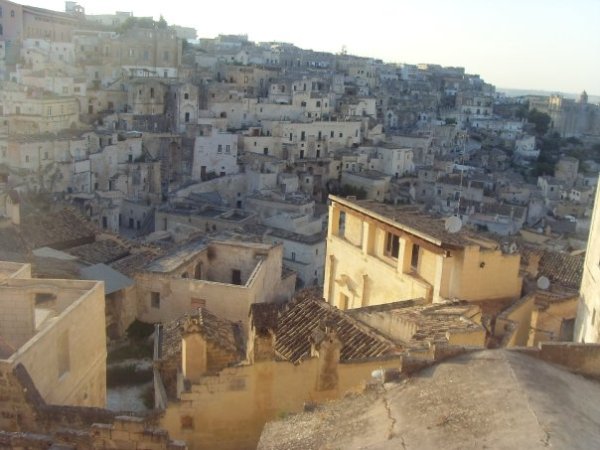
I dithered a lot when trying to think of the best way to write about Italy. It’s a country I love. It’s the country I’ve visited more than any other – in fact, I think I’ve been to Italy at least once every year for as far back as I can clearly remember. My family is half Italian; I love the language; I love the food; I love the culture. I often fantasise about taking an early retirement in a crumbling Italian farmhouse high up on a mountain somewhere.
So, in a potentially futile attempt to achieve brevity and clarity, I have tried to keep the following simple and to the point. So, I’ve decided to simply list some of my favourite places and activities in Italy, attempting to omit the really obvious options that you can easily read a lot about elsewhere (the Vatican, Venice, Florence, etc.). There are many more things on my Italy ‘still to do’ list – but I’ll save them for another day.
Sicily
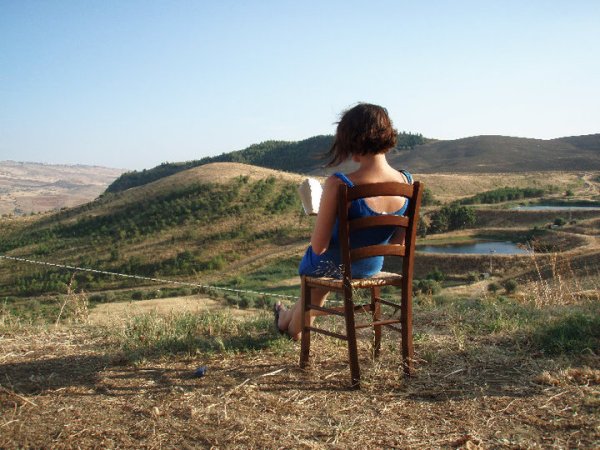
An island to the south of the Italian mainland, to me Sicily has it all: amazing food, dramatic landscapes, beaches with sparkling blue water and welcoming, passionate locals. In some parts of Sicily, you feel like you’ve gone back in time; in some parts, you can imagine celebrities and millionaires hiding out behind villa walls; in yet others, you might be surprised by the simplicity and struggle of everyday life. I could personally spend a year in Sicily and still find more to see; however, here are my top three tips:
- Valley of the Temples, Agrigento: an archaeological site that, whilst not actually in a valley, is one of the most striking examples of Ancient Greek ruins in the country.


- Modica: a historic town famous for its chocolate. An unassuming but enchanting place to spend a few days.

- Island-hopping: Both the Egadi and Aeolian Islands are easily reachable from the Sicilian mainland (and from each other). From the explosive splendour and black sand of active volcano Stromboli to the clear waters off Favignana, there’s something for everyone.


Rome
To steal advice an Italian friend once gave me: before going to Rome, watch Paolo Sorrentino’s film The Great Beauty. It’s a surreal love letter to Rome, and will give you some sense of the scale and splendour of the city. You won’t be short of things to do in Rome, but if you have some time to take off the well-beaten tourist track, head to Trastevere: it’s calmer, more alternative and within a stone’s throw of the centre (if you have a good throwing arm). Whilst there, seek out:
- Janiculum Hill: spectacular views without all the tourists. At the top, you’ll find the Fontana dell’Acqua Paola, which is the setting for the opening scene of Sorrentino’s film.
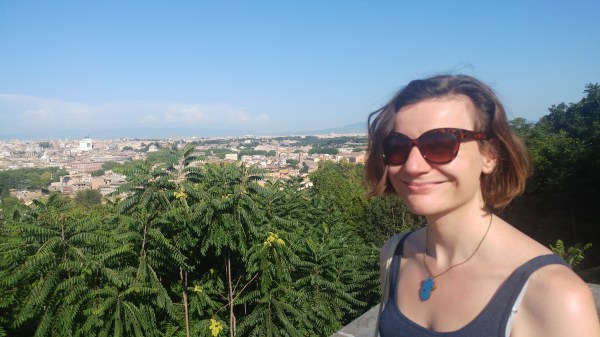
- La Boccaccia (Via di Santa Dorotea, 2): a small pizzeria that sells utterly delicious pizza by the weight. In fact, you could get some pizza here and then enjoy it as a picnic on the hill…
If you like your beer, you should also stop into Open Baladin in the Campo dei Fiori neighbourhood. Try the Sorachi Disaster by Vento Forte and you’ll be futilely looking for it in bars and bottle shops forevermore.
Parma
A relatively un-touristy gem in the Emilia Romagna region, home to some of the best food and drink in the country. You should 100% organise a tour of a parmesan dairy (with tasting); I would particularly recommend Caseificio Giansanti Di Muzio, which has the bonus of being accessible by public transport. For a delicious dinner, go to the Gatta Matta.


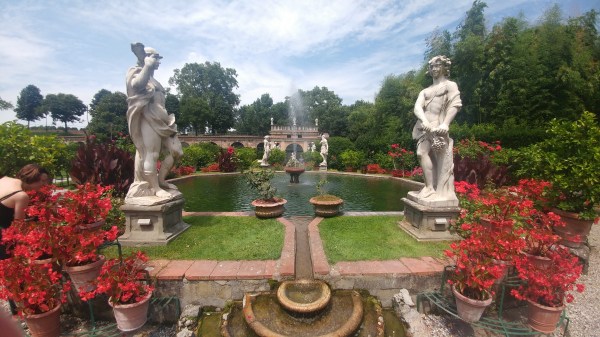
Lucca
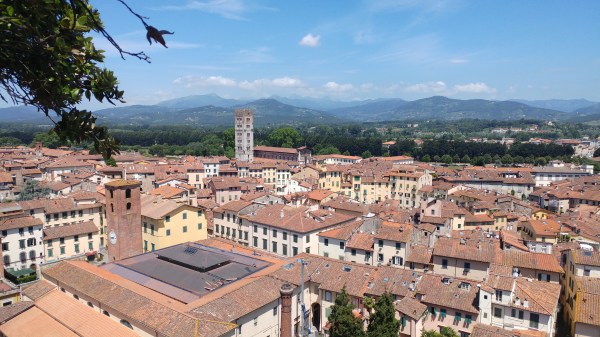
A medieval walled city in Tuscany, Lucca has a sleepy village atmosphere, is extremely picturesque and has some amazing food. You can walk or cycle around the walls, and an exploration of Palazzo Pfanner is highly recommended.

General
- Food: Pretty much every part of Italy has a regional dish or speciality product – from cheese to chocolate to pasta – and it’s always worth seeking it out. Highlights for me have included pistachio pesto, lemon ravioli and the gianduja chocolate of Turin.
- Film: Italy has an amazing range of film festivals. There’s the glamour and red carpet of the Venice Film Festival; hidden gems to be found at Bologna’s Cinema Ritrovato, which showcases rare and remastered old films; and lots of niche festivals like Courmayer Noir, which is dedicated solely to noir films.
- Agriturismos: An agriturismo is basically accommodation on a farm. Depending on region and farm, they vary massively in levels of ‘luxury’ and the types of food on offer, but a stay at one is guaranteed to be a memorable experience. Some will offer accommodation and meals in exchange for work on the farm – a budget option that can end up being really fun.
As you may have guessed, I’m always up for discussing and planning trips to Italy. Please feel free to get in touch if you’d like to do so!
 All Around EU