Official language: Danish
Capital: Copenhagen
Currency: Danish krone
Population as % of total EU: 1.1
Joined EU: 1973
Did you know?
- The Danish flag is called the dannebrog and it is reportedly the oldest continuously used national flag in the world. In Denmark, the only other flags that may be flown without permission from the local police are other Scandinavian flags, the UN flag and the EU flag.
- The Danish for a mullet (the hairstyle, not the fish) is bundesligahår, which means ‘the hair of a German football player’.
- Denmark is the birthplace of Lego. It was invented by Danish carpenter Ole Kirk Christiansen in around 1930, and the now distinctive plastic bricks were made of wood until 1949.
- Denmark is home to one of the world’s most well-preserved pre-historic bodies: the Tollund Man. Found in May 1950 buried in a peat bog, the body is thought to be over 2,000 years old. Today, the Tollund Man can be seen in the Silkeborg Museum, and was the subject of a poem by Nobel Prize winning poet Seamus Heaney in 1972.
- There are more pigs than people in Denmark.
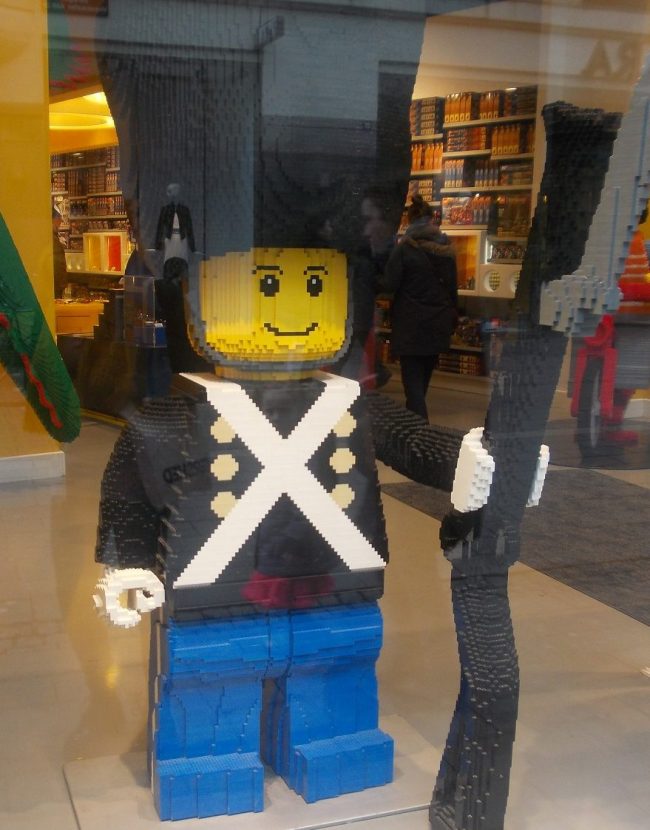
Visiting Denmark: a long weekend in Copenhagen
I’ve only been to Denmark once – a long weekend back in 2014 – but it’s a place that has always stuck in mind, that I’ve always wanted to go back to and explore a little more. This feeling, I think, is born less from any one thing I saw or experienced there, but rather the general atmosphere I soaked up.
The capital city, Copenhagen, is beautiful to explore – even if you have no particular destination or activity in mind – and there are many equally beautiful things to eat and drink. So, behold below for my Copenhagen city break recommendations. They’ve remained lodged in my memory for over three years – so they must be pretty good, right?
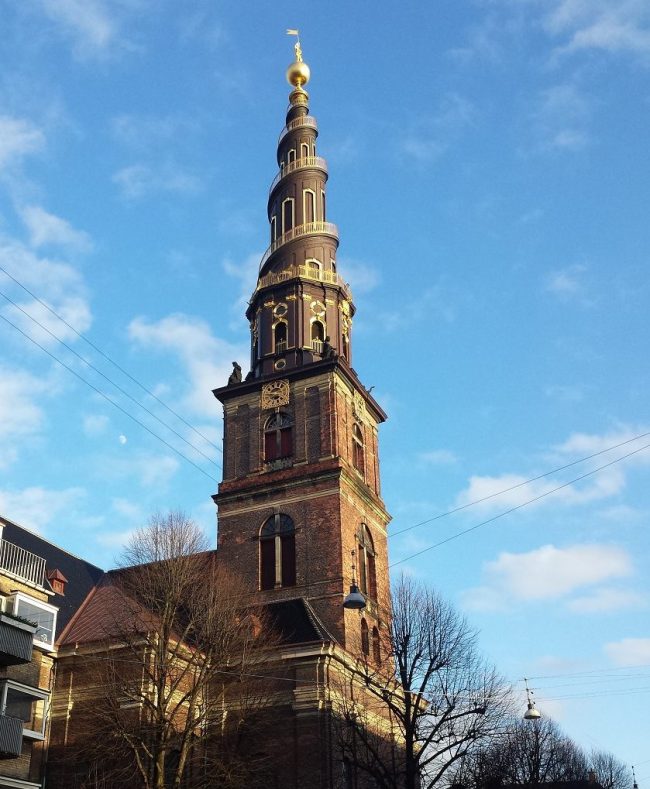
Meatpacking district & Mother pizzeria. As the name suggests, the meatpacking district, in the Vesterbro area of Copenhagen, was once home to the city’s meat industry. It’s now something much more creative and bohemian and, though it might err close to the wrong side of ‘hipster’, it’s a great place to go out for food, drink and/or dancing in the evening. We had delicious food at Mother, a minimalist and laid-back pizzeria.
Mikkeler. Mikkeler is a microbrewery that was founded by two home brewers, a physics teacher and a journalist, in Copenhagen in 2006. It makes innovative and unusual beers (the sours are particularly fantastic), and its more or less official ‘base’ is the Mikkeler Bar in Copenhagen. I would highly recommend stepping in for one or two…
Torvehallerne. A mouth-watering food hall in the centre of town. Fresh produce sits alongside enticing cafés and eateries.
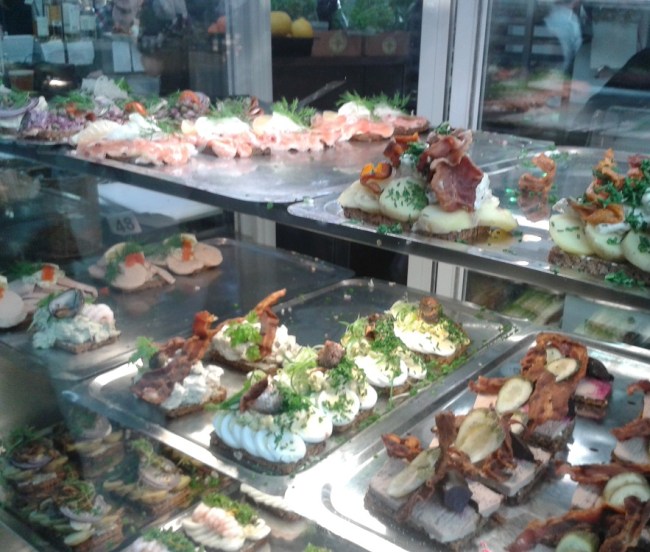
Round Tower (Rundetaarn). A 17th century tower and observatory that you can climb up to enjoy views across the city. Even for a veteran climber of towers like me, this one is pretty special – no stairs to climb, just one spiralling ramp and pure white walls all the way to the top. The ramp is 268.5m long at its outer wall and 85.5m long on its inner wall, meaning that you walk about 209m to get to top even though the tower is only 36m tall.

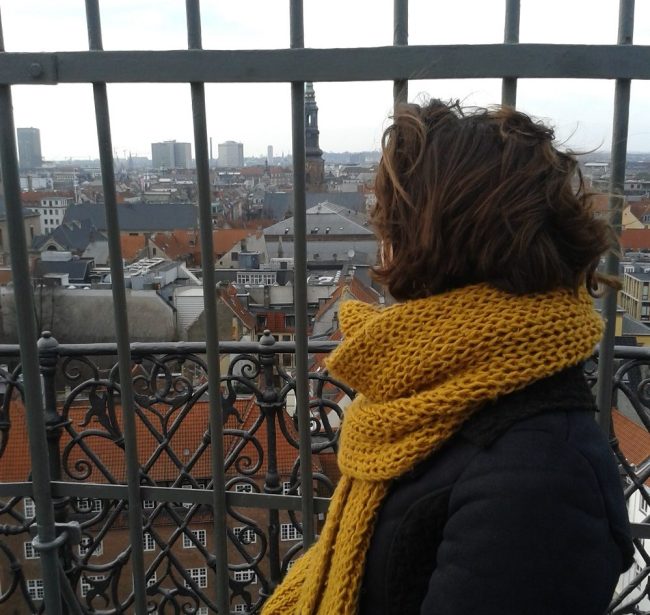
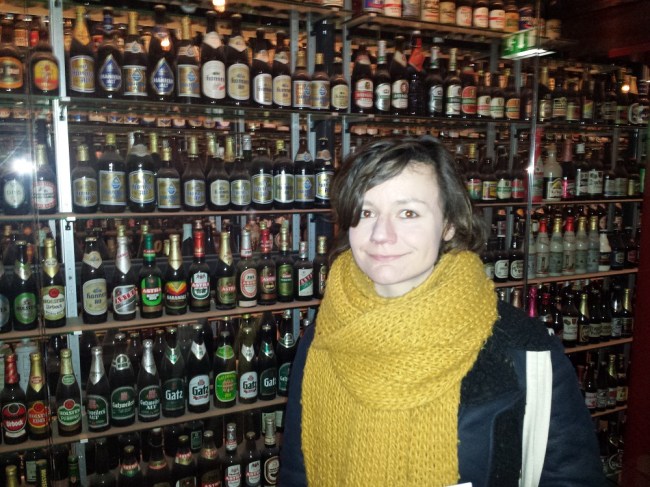
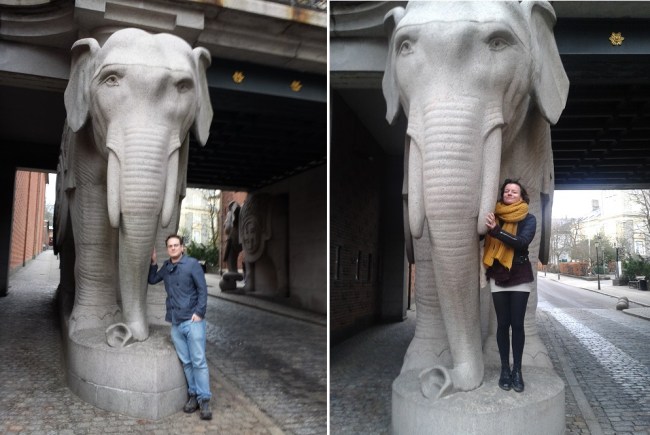
Carlsberg Brewery. Okay, so I’m no lover of Carlsberg beer and we only went to visit the brewery on a bit of a whim (the weather was awful). But – it’s actually really fun! You walk around the brewery and grounds on a self-guided tour: aside from the brewing equipment, there are some extremely large horses (read more about the surprisingly interesting history of Carlsberg horses here), the largest unopened beer collection in the world and some free beer at the end. There’s also some impressive elephant statuary nearby.
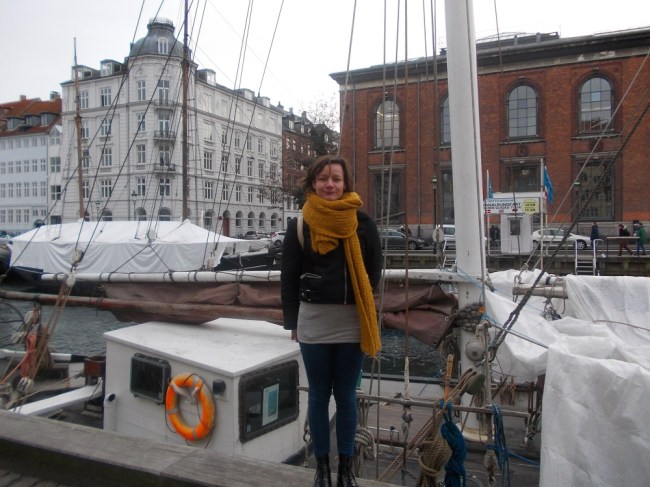
Copenhagen is a city on the water and the canals are lovely to stroll along, even when it’s windy and cold. In the summer, I’m told you can even swim in the harbour, the water having been cleaned up extensively by the local government over the past 15 years. Why not give it a go?
 All Around EU